

Here are practical tips to consider when buying LED light bulbs:
1. Brightness (Lumens, Not Watts)
- LED bulbs are labeled by lumens, not watts.
- Rough guide: 800 lumens ≈ a 60W incandescent; 1600 lumens ≈ 100W.
- Choose lumens based on room size and purpose.
2. Color Temperature (Kelvin)
- 2700K–3000K: Warm white — cozy, good for bedrooms and living rooms.
- 3500K–4000K: Neutral white — versatile for kitchens and bathrooms.
- 5000K–6500K: Daylight — bright, good for workspaces, garages, and reading.
3. Color Rendering Index (CRI)
- Look for CRI 80+ for general use; CRI 90+ for areas where color accuracy matters (art, makeup, food prep).
4. Energy Efficiency
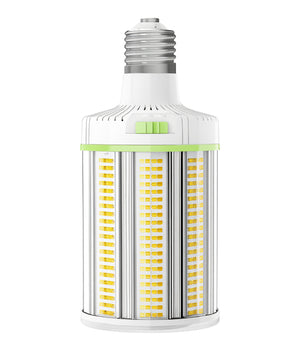
- Check the lumens per watt ratio — higher is more efficient.
- Look for Energy Star certification.
5. Dimmability
- Not all LEDs dim well. If you have a dimmer, buy bulbs explicitly labeled "dimmable" and ensure compatibility with your dimmer switch.
6. Base Type & Shape
- Common bases: E26/E27 (standard screw), E12 (candelabra), GU10 (spotlight).
- Check the fixture's required base and bulb shape (A19, BR30, PAR, candle, etc.).
7. Beam Angle
- For recessed/spotlight fixtures, choose narrow beam (25°–40°) for focused light or wide/flood (90°+) for ambient coverage.
8. Lifespan & Warranty
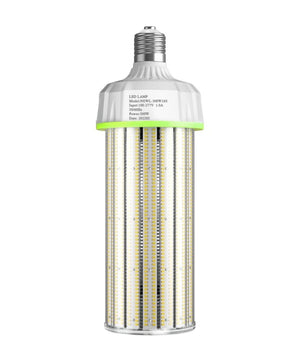
- Quality LEDs last 15,000–25,000+ hours.
- Prefer brands with a 3–5 year warranty.
9. Flicker & Buzz
- Cheap LEDs may flicker or hum with dimmers. Look for flicker-free or zero-flicker certification.
10. Smart Features (Optional)
- Wi-Fi/Bluetooth smart bulbs allow app control, scheduling, and color changing — but cost more and may require a hub.
Quick Checklist
- Right lumens for the room
- Correct color temperature
- CRI 80+ (90+ for color-sensitive areas)
- Matching base and shape
- Dimmable if needed
- Energy Star certified
- Reputable brand with warranty
which room or fixture are you buying bulbs for? For example:
- Living room / bedroom (ambient, cozy feel)
- Kitchen (task + ambient lighting)
- Bathroom (vanity/mirror lighting)
- Home office / study (focused, bright light)
- Dining room (pendant/chandelier)
- Outdoor / garage (security, weatherproof)
- Recessed ceiling lights / track lighting (specific beam angle)
Living Room / Bedroom
- Color temp: 2700K–3000K (warm, cozy)
- Lumens: 800–1100 per fixture
- CRI: 80+
- Dimmable: Yes, highly recommended
- Bulb shape: A19 (standard) or candle for chandeliers
Kitchen
- Color temp: 3000K–4000K (neutral, clean)
- Lumens: 800–1600 per fixture; under-cabinet strips add task light
- CRI: 90+ (food looks better)
- Dimmable: Optional but nice
- Bulb shape: A19, BR30/PAR for recessed cans
Bathroom
- Color temp: 3000K–3500K (flattering, not too warm or cold)
- Lumens: 800–1100 per vanity bulb
- CRI: 90+ (critical for makeup/shaving)
- Dimmable: Yes for evening use
-
Note: Must be rated for damp/wet locations
Home Office / Study
- Color temp: 4000K–5000K (alert, focused)
- Lumens: 800–1100 for ambient; desk lamp 450–800
- CRI: 80+
- Dimmable: Optional
- Tip: Avoid glare; use indirect + task lighting
Dining Room
- Color temp: 2700K–3000K (warm, intimate)
- Lumens: 450–800 per bulb (dimmable is key)
- CRI: 90+ (food presentation)
- Dimmable: Essential
- Bulb shape: Candle (B10/C11) or globe (G25) for pendants
Outdoor / Garage
- Color temp: 3000K–5000K (5000K for security)
- Lumens: 1600+ for floodlights; 800 for porch
- Rating: Wet-location rated, bug-resistant if needed
- Tip: Motion-sensor or dusk-to-dawn sockets add convenience
Recessed / Track Lighting
- Color temp: Match the room (2700K–4000K)
- Beam angle: Flood (90°+) for general ambient; narrow (25°–40°) for accent/spotlight
- Bulb shape: BR30, PAR20/PAR30, or GU10
- Dimmable: Recommended
General rule of thumb: Buy one bulb first, test it in the fixture at different times of day, then buy the rest in the same batch to avoid color mismatches.
Frequently Asked Questions
- What should I look for when buying LED light bulbs?
- Start with lumens, base type, voltage, color temperature, CRI, dimmer compatibility, fixture rating, wet or damp rating, certifications, and warranty. Wattage tells you energy use, not brightness.
- How much do LED lights cost?
- LED light prices vary by bulb type, output, controls, rating, and brand. A basic household bulb costs much less than a high-output corn bulb, filament bulb, dimmable specialty lamp, or wet-location commercial replacement. Compare total cost by energy use, lifespan rating, and replacement labor, not just shelf price.
- Which LED color temperature should I choose?
- Use 2700K to 3000K for warm residential and hospitality spaces, 3500K to 4000K for neutral offices and general work areas, and 5000K where daylight-like task visibility is needed. The best color temperature depends on the room and the task.
- Do LED bulbs work with all dimmers?
- No. Dimmable LED bulbs need compatible LED-rated dimmers, and not every dimmable bulb works well with every control. Check the bulb specification sheet, dimmer compatibility list, minimum load, and whether the fixture uses forward-phase or reverse-phase dimming.


