

What are the safety standards for LED downlights in commercial kitchens?
Summary Rule
- Cooking, prep, sink, dishwashing, hood areas: Must use IP65, NSF-certified commercial kitchen LED downlights only
- Dry, isolated storage rooms: Regular IP44 downlights are technically allowed but not recommended; IP65 commercial fixtures remain the better investment.
What are the safety standards for LED downlights in commercial kitchens?
Safety Standards for LED Downlights in Commercial Kitchens
Commercial kitchen LED downlights must comply with 4 core safety categories: food sanitation safety, ingress/water/grease protection, electrical & fire safety, and light health safety. Below are globally recognized mandatory standards, split into international (US/EU) and Chinese domestic codes.
1. Food Sanitation Safety Standards (Non-negotiable for Health Inspections)
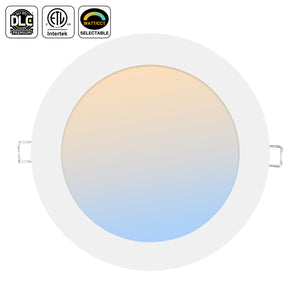
Global Standard: NSF/ANSI 2 (primary foodservice certification)
All lights over prep tables, cooklines, sinks, dishwashers need NSF-listed splash zone compliance:
- Shatter containment construction Tempered glass / polycarbonate fully sealed housing; if broken, all fragments stay trapped inside the fixture to avoid glass contamination of food. Standard residential downlights fail this rule.
- Smooth, crevice-free outer surface No tiny grooves to trap grease, bacteria or mold; all seams sealed with food-grade silicone.
- Chemical & corrosion-resistant materials FDA-approved non-toxic coatings, 304/316 stainless steel trim; resists degreasers, sanitizers, salt steam.
- Three-zone classification rules
- Splash Zone (prep, stoves, sinks): NSF splash zone certified + IP65 minimum
- Non-Food Dry Storage: basic NSF non-food zone standard (IP44 minimum)
- FDA auxiliary requirement No toxic heavy metal leaching from lamp housing when exposed to hot cleaning liquids.
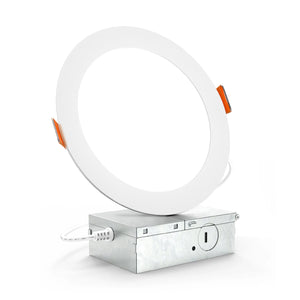
China Domestic Equivalent
GB 14934 (Hygiene Standard for Food Service Facilities): mandates shatterproof, easy-to-clean sealed lighting for catering kitchens.
2. Ingress Protection (IP Rating) Safety Standard (IEC 60529)
Blocks steam, grease vapor, splashing hot water & high-pressure cleaning sprays to prevent short circuits and fire risks.
| Kitchen Zone | Mandatory Minimum IP | Recommended IP | Safety Purpose |
|---|---|---|---|
| Cooklines, fryers, prep counters, sinks | IP65 | IP66 / IP69K | Fully dust-tight; withstand all-direction water jets, hot steam, grease vapor |
| Dry back storage (no cooking/cleaning nearby) | IP44 | IP65 | Only light dust & minor splashes |
- IP65 = 1st digit 6 (100% dust-proof), 2nd digit 5 (resist low-pressure water jets from all angles)
- IP69K: Highest washdown grade, for industrial kitchens with 80℃ high-pressure hose cleaning (100 bar water spray)
- Forbidden: IP20/IP40 household downlights (unsealed, grease/steam seeps inside, causes electric shock and fire hazards)
3. Electrical & Fire Safety Standards
A. US Market (NEC + UL Certification)
- UL Listed (ANSI/UL 1598) Mandatory commercial electrical safety certification; tests insulation, overheat protection, wiring durability in high-heat kitchen environments.
- IC / IC-AT Rating (NEC 410.16 Fire Safety) Recessed downlights installed in insulated ceilings must be IC-rated: safely touches ceiling thermal insulation without igniting flammable materials. IC-AT (airtight) additionally blocks grease vapor entering ceiling cavities.
- Thermal overheat auto-shutoff Built-in temperature sensor cuts power if lamp body exceeds 85°C (critical above stoves where ambient heat hits 60–70°C).
- Isolated constant-current driver PF ≥0.9 (commercial power factor compliance); separate external driver to avoid heat buildup inside sealed lamp housing.
- Corrosive location compliance (NEC 410.10B) Kitchens are classified corrosive environments; fixtures must use anti-rust aluminum/stainless steel housing, no cheap plastic that melts/deforms.
B. EU Market (BS EN / IEC Standards)
- CE marking + EN 60598-1 (LED luminaire general safety)
- Fire-rated recessed housing (30/60/90 min fire compartment rating) to stop fire spreading through ceiling voids
- BS 7671 wiring rule: lighting circuits under 2.5m height require 30mA residual current device (RCD/leakage protection) to prevent electric shock.
C. China Domestic Electrical Mandatory Codes
- GB 7000.1: General safety requirements for all lighting luminaires
- GB55024-2022: Building electrical general code – low-height lighting requires leakage protection
- GB 17625.1: Harmonic current limits for commercial LED drivers (PF ≥0.9)
- Fire protection: Recessed downlights for commercial catering ceilings must pass GB/T 24906 fire resistance test.
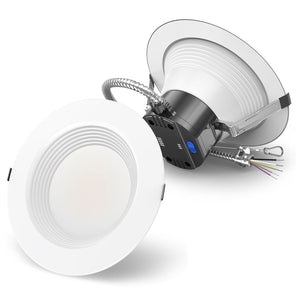
4. Photobiological & Light Health Safety Standards
Prevent chef eye strain, misjudgment of food freshness, and blue light injury during 8–12 hour shifts
- RG0 Zero Blue Light Hazard (IEC 62471) Mandatory for commercial kitchens; no harmful blue light retinal damage from long daily exposure.
- High Color Rendering (sanitation & operational safety)
- Minimum CRI Ra ≥90 for all food prep zones; Ra≥95 for meat/seafood inspection
- R9 ≥50 red rendering index: critical to detect spoiled red meat, discolored produce
- Anti-glare standard UGR <19 Deep baffle anti-glare design required; stainless steel kitchen surfaces reflect light, high UGR causes visual fatigue and cutting accidents.
- Illuminance code compliance Prep counters ≥500 lx, cooking areas ≥300 lx (national catering lighting design standards) to avoid low-light safety hazards.
5. Quick Compliance Checklist (Must Verify Before Purchase)
✅ NSF/ANSI 2 Splash Zone certification (food safety pass health inspection) ✅ IP65 minimum rating for all cooking/prep/wash zones ✅ UL listed (US) / CE EN60598 (EU) / 3C certified (China) ✅ IC-rated recessed housing + thermal overheat cut-off ✅ RG0 zero blue light, UGR<19 anti-glare ✅ Shatterproof sealed tempered polycarbonate/glass lens ✅ Isolated high PF ≥0.9 driver, heat-dissipating die-cast aluminum housing ✅ Stainless steel corrosion-resistant trim ring
Consequence of Non-Compliant Regular Household Downlights
- Failed health department inspection, fines or temporary kitchen shutdown
- Short circuit / electric shock risk from grease/steam ingress
- Fire hazard: trapped flammable grease inside unsealed lamp cavity
- Glass contamination lawsuits if broken fragments fall into food
- Rapid lamp burnout (3–6 months vs 50,000hrs compliant commercial lights)
How to Choose LED Downlights for Commercial Kitchens
Commercial kitchens face harsh conditions: heavy grease, hot steam, high heat, frequent water washing, strict food safety rules, and demanding task lighting. Ordinary indoor LED downlights fail quickly here. This guide breaks down all critical selection criteria step by step.
1. Mandatory Waterproof & Grease-Proof IP Rating (Most Critical)
Grease vapor, splashing hot water, and cleaning sprays easily damage unprotected lights.
-
IP65 is the minimum standard for full commercial kitchen zones (cooklines, sinks, prep tables)
- Fully dust-tight, resists high-pressure water splashes from all directions, blocks grease buildup inside the lamp cavity.
- IP44 only works for dry back storage areas (no cooking/washing nearby); never use above stoves or dish stations.
- Bonus feature: Fully sealed silicone gaskets + smooth tempered glass lens for easy daily degreasing wiping.
2. Food Safety Certifications & Anti-Shatter Construction
Health inspectors enforce strict contamination rules for foodservice lighting:
- NSF certification (top priority) NSF-listed downlights meet commercial kitchen sanitation standards; shards cannot fall into food if broken.
- Shatterproof tempered polycarbonate/glass lens Avoid thin cheap glass—impact resistance prevents broken fragments contaminating ingredients.
- Heat-resistant die-cast aluminum housing Temperatures above cooking ranges often hit 50–70°C; plastic casings deform, yellow, and melt fast. Thick aluminum dissipates heat and extends lifespan.
3. Lighting Performance: CCT, CRI, Illuminance & Beam Angle
Commercial kitchens require precise light to judge food freshness, avoid cutting accidents, and reduce staff eye strain.
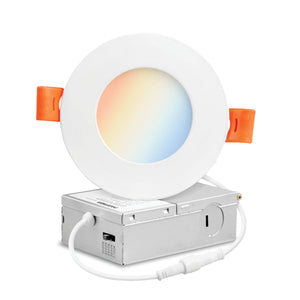
3.1 Color Temperature (CCT) by Kitchen Zone
table { border-collapse: collapse; width: 100%; } th, td { border: 1px solid #ccc; padding: 8px; text-align: left; }
| Area | Recommended CCT | Purpose |
|---|---|---|
| Prep counters, meat/seafood inspection, cutting stations | 4000K–5000K neutral cool white | Simulates natural daylight; clearly identifies spoiled produce, discolored meat, mold |
| Cooklines, fryers, dishwashing zones | 3800K–4200K mild neutral white | Balances visibility without harsh glare under hot hoods |
| Dry storage, walk-in fridges | 3500K–4000K soft neutral | Reduces eye fatigue during long inventory checks |
Avoid 6000K+ harsh cool white: it distorts meat color and causes visual fatigue for all-day chefs. Avoid warm 3000K: hides discoloration of spoiled food.
3.2 Color Rendering Index (CRI/Ra)
- Minimum Ra ≥90 for all food prep zones; Ra≥95 for quality inspection stations High CRI accurately reproduces reds, greens and flesh tones—critical to spot rotten fruit, off meat, or dirty cookware. Low CRI (Ra<80) makes food look dull and masks contamination risks.
- Require R9 ≥50 (red rendering score) for butcher, seafood and salad prep areas.
3.3 Required Illuminance (Lux / Foot-Candles) (per global foodservice codes)
- Food prep countertops: ≥500 lx (50 fc); target 750–1000 lx for busy restaurant kitchens
- Cooking ranges, dishwashing: ≥300 lx (30 fc)
- Dry storage: ≥150 lx Calculate wattage by ceiling height:
- 2.4–2.8m ceiling: 12–18W IP65 downlights for main lighting
- Over prep tables: 15–24W high-lumen models for concentrated task light Luminous efficiency ≥90 lm/W to cut long-term electricity costs.
3.4 Beam Angle
- 60° wide beam: General ambient lighting for open kitchen floors, uniform coverage with fewer dark shadows
- 36–45° medium beam: Standard all-rounder for most prep counters
- 24° narrow beam: Only for focused spot lighting over inspection tables (rare for full kitchen layout) Deep anti-glare baffle design (UGR<19) is required—stainless steel surfaces reflect light and cause severe eye strain for staff working 8–12 hour shifts.
4. Heat Dissipation & Driver Quality (Long Lifespan Guarantee)
High kitchen heat accelerates LED light decay and driver burnout.
- Housing material: Thick die-cast aluminum with cooling fins (thin stamped aluminum dissipates heat poorly)
- Isolated constant-current driver
- PF ≥0.9 high power factor for commercial electrical compliance
- Separated external driver (not built inside lamp body) to escape ceiling heat buildup
- Rated lifespan ≥50,000 hours; overheat protection cut-off circuit
- Blue light safety: RG0 zero blue hazard certification to protect staff eyes during long shifts
5. Mounting Style & Size Options
Two main installation types for commercial kitchen ceilings
- Recessed downlights (most common) Standard cutout sizes: 100mm (4 inch), 150mm (6 inch), 200mm (8 inch) Ideal for metal grid suspended ceilings typical in restaurants, hotels, catering kitchens. Choose IC-rated models if insulation sits close to ceiling cavities for fire safety.
- Surface-mounted downlights For solid concrete ceilings with no recess space; fully sealed IP65 variants available.
6. Additional Functional Features
- Dimmable capability Pair with 0–10V commercial dimmers to adjust brightness during slow service shifts and save energy.
- Voltage compatibility Global dual voltage 100–240V AC for restaurants across regions; low-voltage 24V DC optional for extra electrical safety near sink zones.
- Corrosion resistance Stainless steel trim rings resist rust from constant steam and saltwater cleaning.
- Easy maintenance Tool-free detachable lens for quick grease wipe-down without removing the whole fixture.
7. Quick Selection Checklist by Kitchen Zone
- Prep / Butcher Station IP65, Ra≥95, 4200–5000K, 15–24W, 36–45° beam, NSF certified, shatterproof lens
- Cookline & Fryer Area IP65 heat-resistant aluminum, 3800–4200K, deep anti-glare baffle, isolated driver
- Dishwashing / Sink Zone IP65 fully vapor-tight, silicone sealed, water spray resistant
- Dry Storage / Walk-in Coolers IP44 minimum, 3500–4000K, lower wattage (7–12W)
Common Mistakes to Avoid
- Buying IP20/IP44 regular household downlights: Grease and steam will burn out LEDs in 3–6 months.
- Low CRI Ra<80 lights: Risks health code violations from misjudging food freshness.
- Thin plastic lamp bodies: Melting and yellowing under stove heat.
- Ignoring NSF certification: Fails health department inspections.
- Overly high 6000K+ cold white light: Causes chef eye fatigue and misrepresents food color.


