

Key Basic Fact
LED bulbs do NOT contain mercury (unlike CFL fluorescent bulbs). Under federal EPA rules, LEDs are not classified as mandatory hazardous/universal waste nationwide.
⚠️ State legal exceptions: California, Vermont, Maine, Minnesota, Washington regulate LEDs as universal waste. It is illegal to throw LED bulbs into regular household trash in these states — you must recycle them.
Important rule for ALL locations: Never place LED bulbs into curbside mixed recycling bins (blue bins). Bulbs break easily, contaminate recycling streams and endanger waste workers.
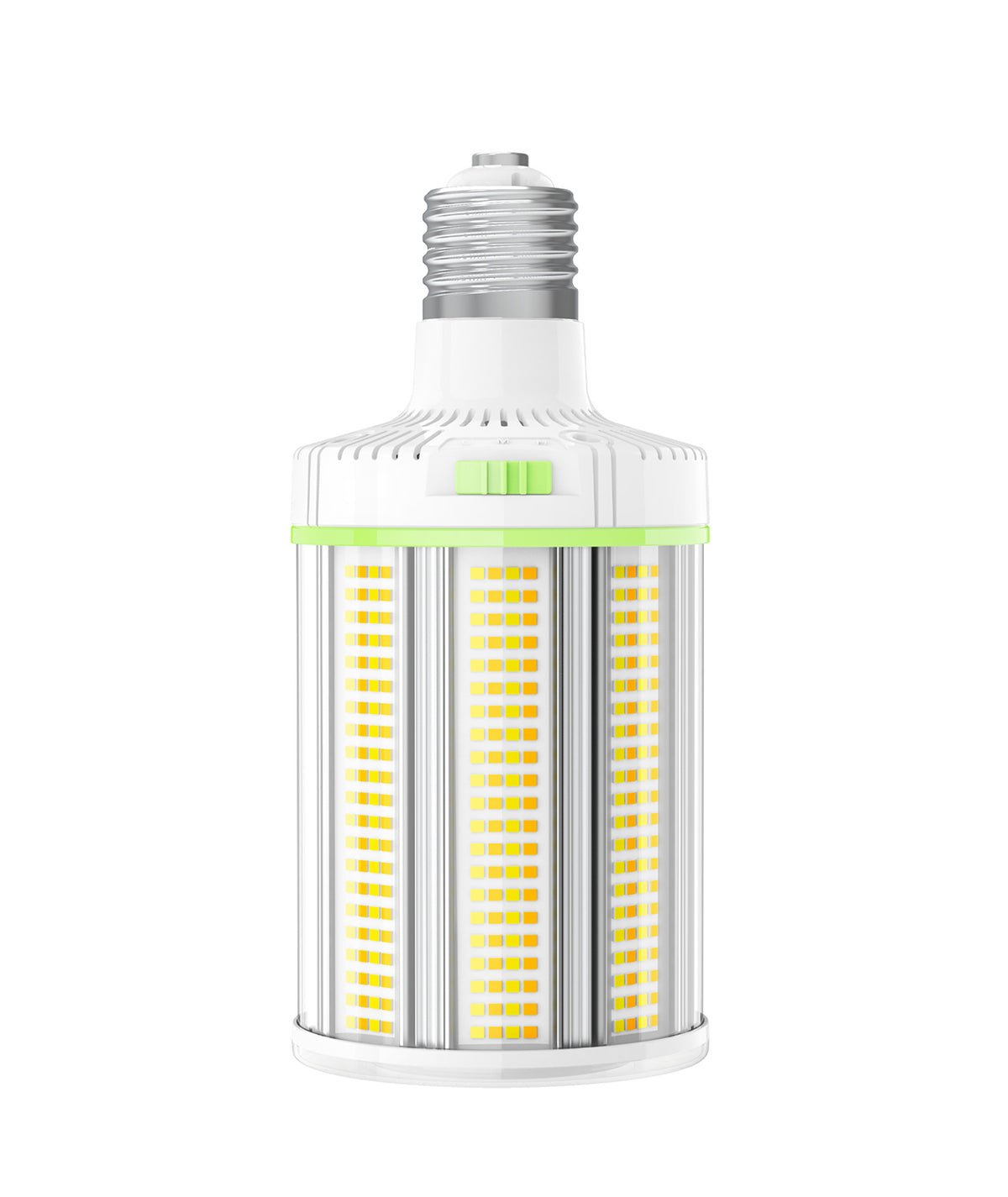
Option 1: Recycling (Recommended for All States; Required in 5 regulated states)
Recover metals, circuit board components, aluminum heat sinks and rare earth materials.
Free public drop-off locations
-
Home Depot / Lowe’s / IKEA
Most stores have free in-store recycling collection bins for LED bulbs (no purchase needed). Confirm your local store ahead of visiting.
-
Local municipal e-waste / Household Hazardous Waste (HHW) facilities
Many cities host periodic e-waste recycling events.
- Batteries Plus stores accept LED bulbs for recycling (small fee may apply).
How to find nearby recycling sites
Use Earth911.com: enter your ZIP code + “LED light bulbs” to locate accepted drop-off centers.
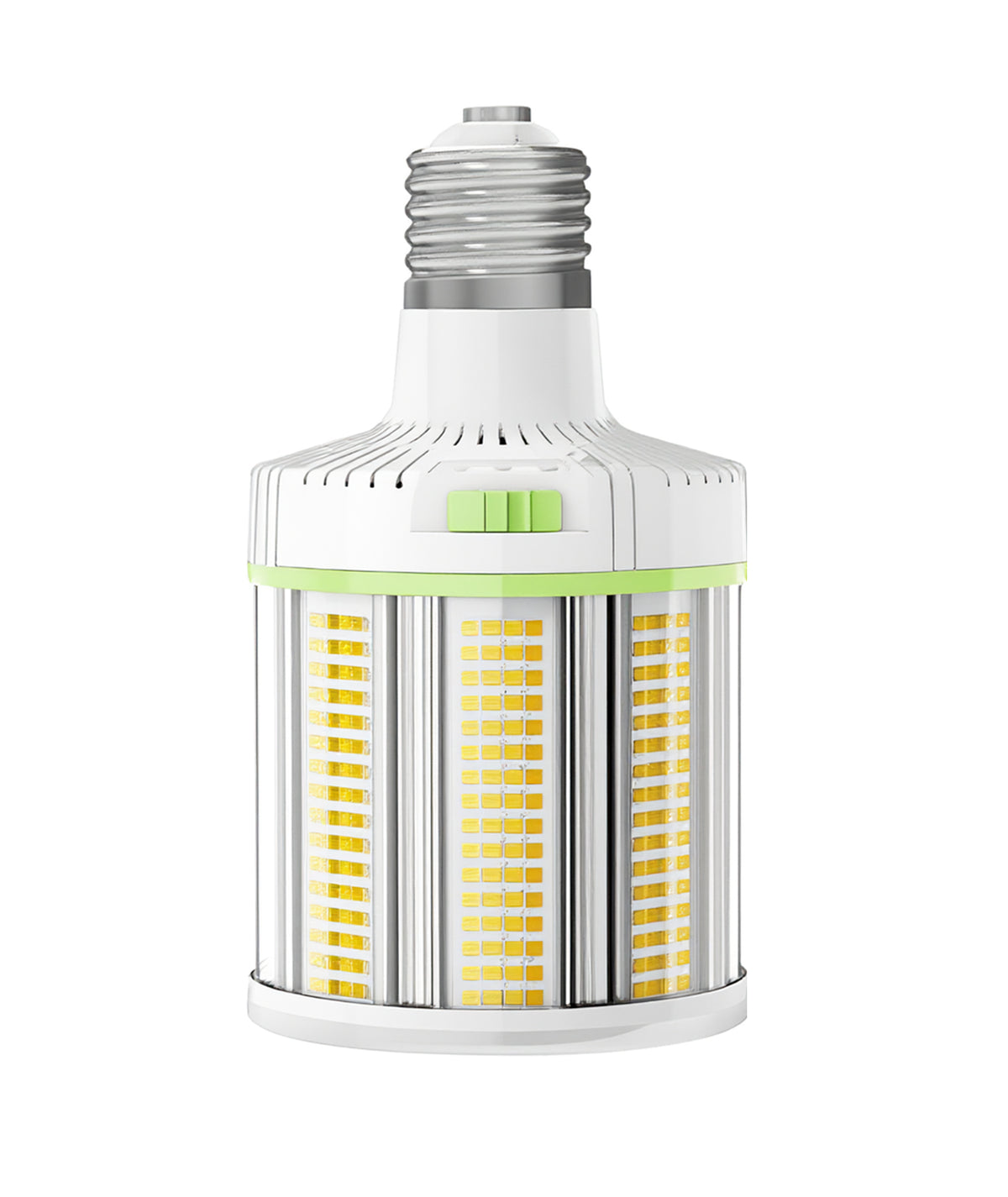
Transport tip
Wrap bulbs in paper or original packaging to avoid breakage during transport.
Option 2: Regular Household Trash (Only legal in non-regulated states)
If you live outside CA, VT, ME, MN, WA and no recycling is accessible:
- Let the bulb fully cool down
- Wrap tightly with newspaper or place inside a sealed plastic bag (prevents broken glass injuries)
- Put into your black landfill trash bin
How to clean up a broken LED bulb
LEDs have no mercury risk, simpler cleanup than broken CFLs:
- Open windows for ventilation
- Sweep all glass fragments (do NOT vacuum; fine dust can damage vacuums)
- Wipe the area with a damp paper towel to collect tiny shards
- Place all debris and cleaning wipes inside a sealed plastic bag
- Dispose in household trash or bring to recycling together with intact bulbs
Quick Comparison: LED vs CFL Bulb Rules
| Bulb Type | Mercury | Can go in regular trash? | Curbside recycling allowed? |
|---|---|---|---|
| LED | No | Most states; CA/VT/ME/MN/WA | Never |
| CFL Fluorescent | Yes | Illegal everywhere | Never |
Extra Tips
- Working, undamaged LED bulbs: donate or resell instead of disposal.
- LED strip lights, LED tube lights: treat the same as LED bulbs; drop off at e-waste recyclers.
- Business bulk disposal: follow state universal waste regulations; do not discard large volumes in residential trash.
Can I throw LED light bulbs in the trash in states where they are not classified as universal waste?
Short clear answer
Legally yes for households in most non-universal-waste states, but two critical caveats:
- State universal waste status ≠ local county/city rules
- Recycling is always strongly recommended.
Full breakdown
-
Federal EPA rule baselineThe U.S. EPA does not list LED bulbs as federal universal waste lamps (universal waste lamps only cover mercury-containing lights: CFL, fluorescent, HID). LEDs have no mercury, so under national RCRA rules, used consumer LEDs qualify as ordinary household solid waste.
-
State-level universal waste bans (hard rules you must follow)Five states classify LEDs as universal waste — you CANNOT throw LEDs in trash here:California, Maine, Minnesota, Vermont, Washington.Violation may carry fines for households and businesses.
-
For all other states (not on that list):Household residential LEDs are generally permitted in regular black trashImportant local exception risk:Some counties, waste-to-energy facilities, or municipal trash companies create their own landfill bans on LEDs, independent of state universal waste law. Always confirm your city/county waste website if you want 100% certainty.
Business rule difference: Even in states without LED universal waste laws, commercial bulk LED disposal rules are stricter. Businesses cannot automatically toss large quantities into landfill trash.
Safety steps if you place LEDs into household trash
- Let bulbs fully cool
- Wrap with newspaper or seal inside a plastic bag (prevents broken glass injuries to sanitation workers)
- Do NOT put LEDs into curbside blue recycling bins (bulbs break, damage sorting machinery)
Environmental note
While trash disposal may be legal, LEDs contain circuit boards with copper, aluminum, trace heavy metals, and recoverable materials. Free recycling drop-offs at Home Depot, Lowe’s, IKEA or local HHW/e-waste centers are the preferred option.
Quick checklist before tossing
- Am I in CA / ME / MN / VT / WA? → Must recycle; cannot trash
- If in another state: Check your county waste website for local landfill prohibitions
- When possible, recycle instead of landfilling
Alternatives to Throwing Away LED Light Bulbs (United States)
These options are ordered from most sustainable to last-resort recycling.
1. Reuse (Best Option)
Functional, working LEDs
- Keep for spare lighting: Store undamaged bulbs for future replacements.
- Donate: Give to friends, family, community centers, thrift stores, tool libraries.
- Resell: List on Facebook Marketplace, Craigslist, eBay.
- Repurpose: Use working bulbs for craft lighting, garage work lights, temporary outdoor setups.
Non-working but intact bulbs
If the LED chip fails but housing is intact: some hobbyists replace internal driver boards to repair them.
2. Recycle (Recommended for broken / non-functional bulbs)
LEDs have aluminum heat sinks, copper wiring, circuit boards and trace metals; recycling recovers valuable materials and avoids landfill contamination.
Free consumer drop-off locations (widely available):
- Home Depot, Lowe’s, IKEA (in-store collection bins, no purchase required)
- Local Household Hazardous Waste (HHW) facilities or scheduled e-waste collection events
Paid options:
- Batteries Plus Bulbs (small fee for LED recycling)
- Mail-back recycling programs (for high quantities)
Rule reminder: Never toss LEDs into standard curbside blue recycling bins.
3. Upcycling & Crafts
Intact burned-out LED bulbs can be turned into decorative items:
- Mini terrariums, tiny vases
- Christmas ornaments, pendant decorations
- Wax candle holders
Safety warning: Carefully remove internal electronics and glass edges to avoid cuts.
4. Proper responsible trash disposal (Only a last resort)
Only choose this when reuse, upcycling, and recycling are completely unavailable AND you live in a state that allows LEDs in household trash (not CA, ME, MN, VT, WA).
Always seal bulbs in a plastic bag or wrap in newspaper to contain broken glass.


