

Yes, but far cooler than incandescent or halogen bulbs.
-
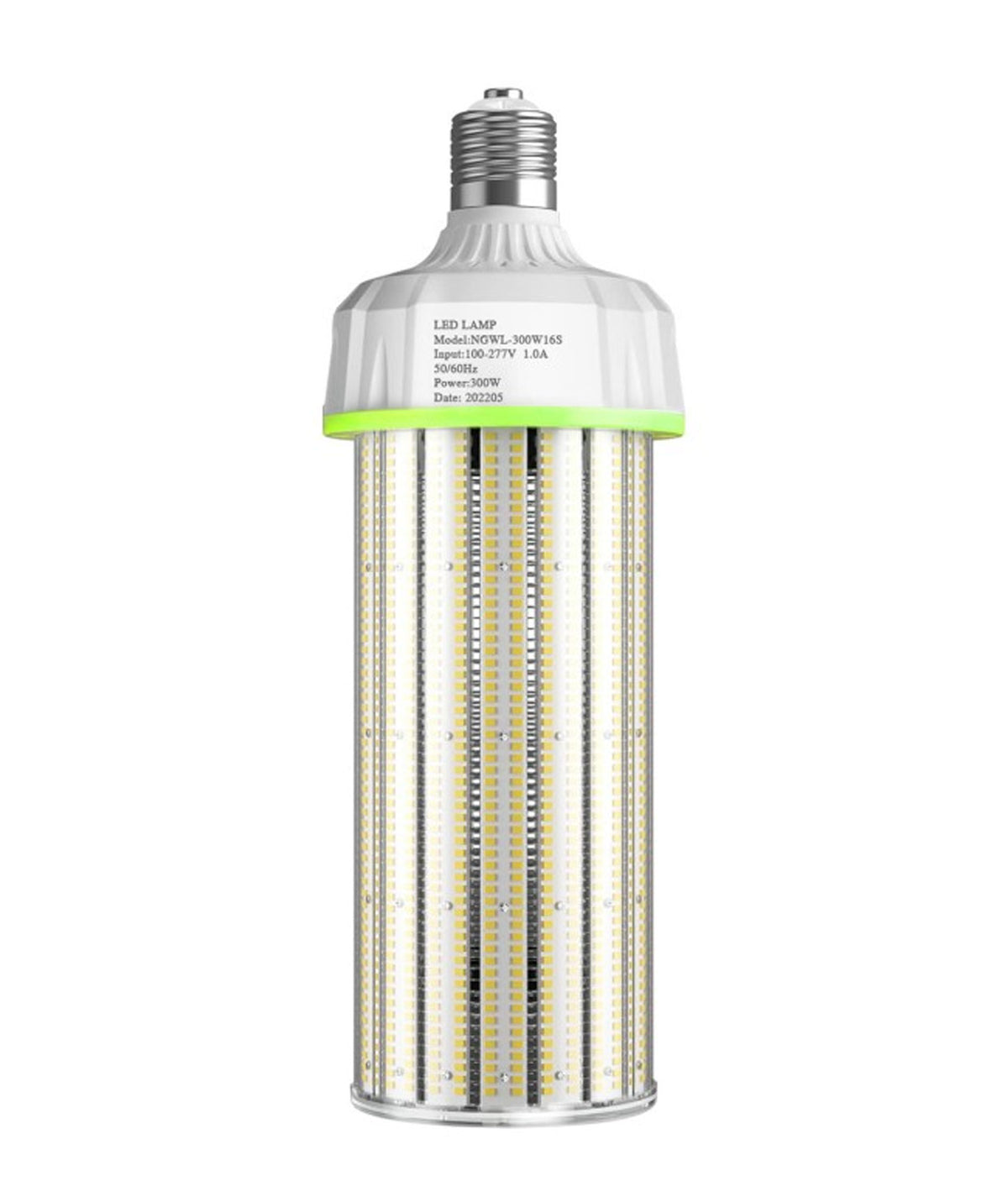
LEDs do produce heatLED chips convert electricity to light, and some energy becomes waste heat (not infrared heat like old bulbs).Unlike incandescent lights that radiate heat outwards into the air, LED heat stays trapped inside the bulb and must escape through a heat sink (the metal ribbed part on the base).
-
Temperature comparison
- Incandescent bulb surface: ~200–250°C (very hot, can burn skin, ignite paper)
- Halogen: ~150–200°C
- LED bulb outer casing: 40–70°C under normal operation
You can touch a working LED bulb briefly without instant burns, but it will feel warm/hot after long use.
-
Important difference: No radiant heatLEDs almost do not emit infrared thermal radiation.If you place your hand near an LED bulb, you won’t feel warmth from a distance. The heat only transfers if you touch the bulb directly.
-
Why heat matters for LEDsExcess heat shortens LED lifespan. Poor-quality cheap LEDs often lack proper heat sinks, run hotter, and burn out much faster.
Simple summary
LED bulbs get warm to moderately hot when turned on, but they run vastly cooler than traditional light bulbs and are much lower fire risk.
Key Tips for LEDs in Enclosed Fixtures
Many standard LED bulbs cannot be used inside fully sealed/enclosed lights (closed ceiling cans, sealed lanterns, covered vanity lights).
-
Heat trap danger
Enclosed housings block airflow. Heat cannot escape from the LED heat sink. Temperatures climb rapidly, speeding up chip degradation.
- Consequence: Dim faster, colour shifts, early burnout, rare overheating risk.
-
Choose the correct bulbLook for packaging marked:Rated for enclosed fixtures / Enclosed RatedOrdinary LEDs usually carry warning: Not for enclosed use.
-
Other practical advice
- Avoid over-wattage. Use the lowest suitable wattage. Higher power = more heat.
- Leave small ventilation gaps whenever possible (do not fully seal the light housing).
- If you already run non-enclosed-rated LEDs in sealed fittings: expect much shorter service life.
-
Recessed ceiling lights (downlights)
Standard recess cans often trap heat.If your can does not have ventilation, buy IC-rated enclosed LED lamps or dedicated LED downlight modules instead of screwdriver replacement bulbs.
Quick check: If your enclosed fixture gets noticeably hot after 30 minutes of operation, the bulb is struggling to dissipate heat.
How to check if your LED bulbs work safely in enclosed fixtures
Step 1: Check the bulb packaging / printed text on the bulb base
Look for these labels directly on the bulb:
Suitable for enclosed fixtures / Enclosed Rated
Sealed fixture approved
If you see any of these warnings → DO NOT use in fully closed lights:
Not for enclosed fixtures
Do not use in sealed or airtight housings
For open fixtures only
Cheap, basic LED A-shape household bulbs almost always have this warning.
Step 2: Check your light fixture specifications
Check the lamp holder/backplate of the light:
- Many enclosed ceiling lights, bathroom sealed lanterns, outdoor porch sealed lights have their own maximum temperature and bulb guidelines.
- If the fixture itself states “max 25W incandescent”, high-power LED bulbs may still create too much accumulated heat.
Step 3: Simple practical heat test (if you already installed the bulb)
Run the light continuously for 30 minutes.
Turn it off, carefully touch the outer surface of the bulb housing:
- Only slightly warm (you can hold it comfortably for several seconds): Generally acceptable (if bulb is officially enclosed-rated).
- Very hot, cannot keep fingers touching longer than 1–2 seconds: Too much heat buildup. The bulb will degrade quickly. Replace with an enclosed-rated model or reduce wattage.
Important extra reminders
- Bathrooms, outdoor weather-sealed lights are typical enclosed environments — moisture + trapped heat double the stress on regular LEDs.
- Even enclosed-rated LEDs still generate heat! Do not stack insulation directly against recessed light housings unless marked IC Rated.
- Colour temperature also has minor impact: High brightness (high lumen) warm white/cool white bulbs produce more heat than low-lumen versions of the same style.
Quick recap rule of thumb
No “enclosed rated” marking = unsafe for sealed, covered lights. Continuous high heat will cut bulb life from years down to months.
Let’s break down the three most common enclosed fitting types and clear rules for each:
1. Recessed ceiling spotlights / downlights (can lights)
- Many old metal ceiling cans are fully enclosed with little airflow.
- Standard LED screw-in bulbs: almost always labelled “Not for enclosed fixtures”. They overheat quickly.
- Options:
- Enclosed-rated LED retrofit bulbs (explicitly marked on the bulb).
- Integrated LED panel downlights (built-in heat management, designed for can housings).
- Critical note: If insulation touches the light housing, the fixture must be IC-rated to prevent fire risk.
2. Bathroom lights (shower lights, vanity enclosed lamp shades)
Bathrooms have two hazards: trapped heat + humidity.
- Must use bulbs suitable for enclosed AND damp locations.
- Plain indoor LEDs will fail prematurely from heat + moisture seepage.
- Shower zone lights need IP44 or higher waterproof rating alongside enclosed certification.
3. Outdoor lanterns / porch lights (weather-sealed)
The rubber/gasket sealed casing keeps rain out — but also locks heat inside.
- Never use cheap basic LEDs here.
- Look for:
- Enclosed fixture rated
- Suitable for wet/damp locations
- In summer sunshine, the housing already heats up; adding a hot bulb pushes temperatures even higher.
Quick universal checklist before buying any bulb
- Read print on bulb: Suitable for enclosed fixtures
- Match environment: damp/bath/outdoor needs extra IP waterproof rating
- Avoid overpowered bulbs; choose the lowest lumen brightness you need
- After installation test: run for 30 minutes. If you cannot comfortably touch the bulb, heat buildup is excessive.
Which light are you upgrading? Pick one:
- Recessed ceiling downlights / spotlights (in the ceiling)
- Enclosed bathroom vanity/shower light
- Sealed outdoor porch/garden lantern
the fitting base type if you know it: E27, E14, GU10, MR16 etc。
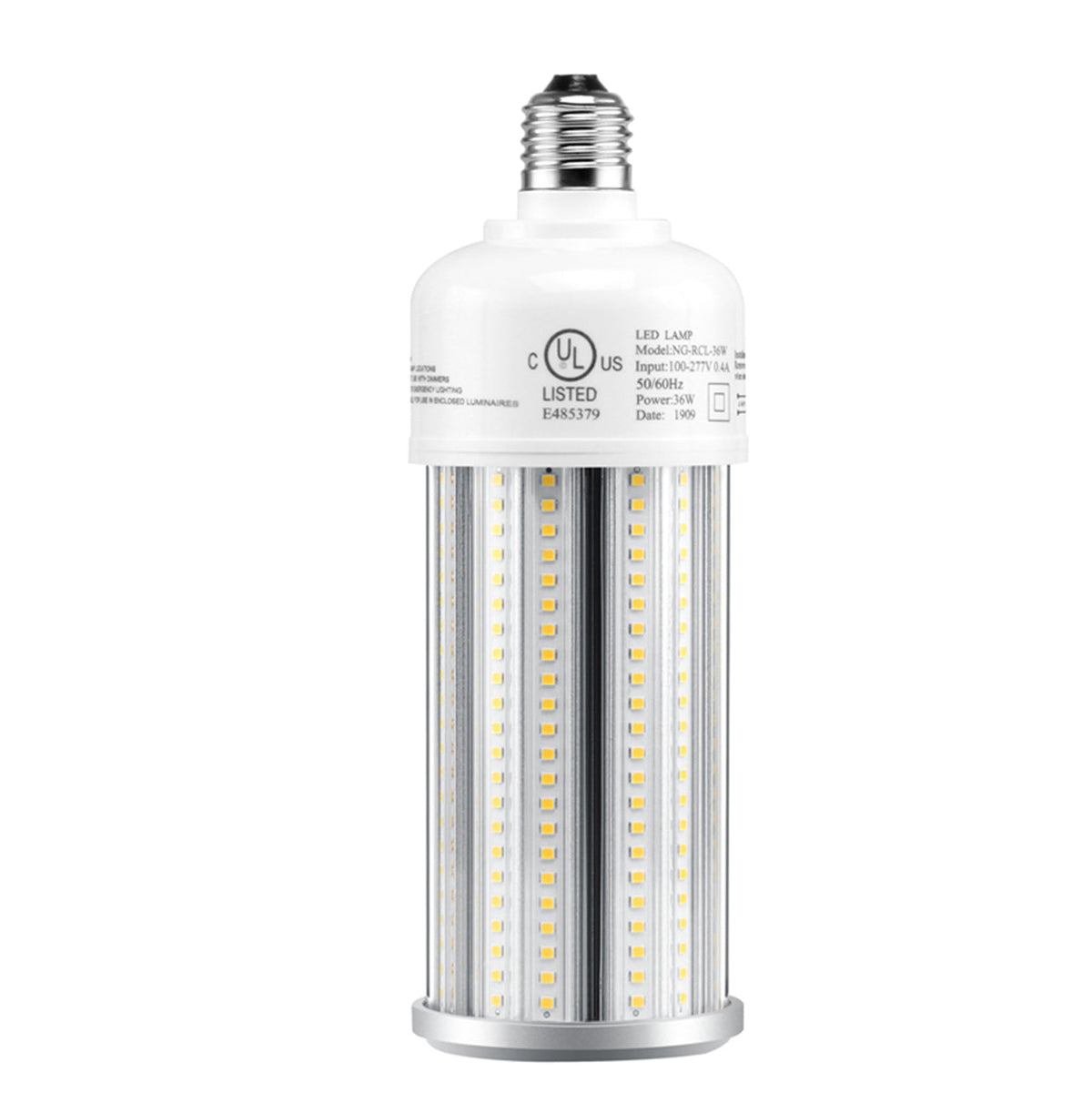
E27 LED Bulbs for Enclosed Fittings – Full Buying & Usage Guide
E27 = standard large screw base, the most common household bulb fitting.
1. Critical Rule
Regular E27 LED bulbs ≠ safe for enclosed/sealed shades.
Check the text printed on the bulb or box:
Must state: Suitable for enclosed fixtures
Avoid if it says: Not for enclosed use / For open luminaires only
Cheap E27 A-shape (classic pear-shaped) LEDs nearly always have this warning.
- Enclosed-rated A60 / A70 E27 bulbs
- Filament LED E27 (many vintage filament models are certified for enclosed use – double-check the label!)
- Low-wattage options: 6W–9W work better than 10W+; higher power = more trapped heat.
3. Fitting specific advice for E27
Indoor enclosed ceiling lights / shaded pendants
- Leave minor ventilation gaps if possible; do not fully block all air circulation.
- Avoid covering the bulb’s metal heat sink.
Bathroom enclosed E27 lights
Two requirements together:
- Enclosed fixture rated
- Damp location suitable (look for IP44 minimum)
Ordinary indoor E27 LEDs will fail fast from heat + moisture.
Sealed outdoor E27 lanterns
Need Enclosed Rated + IP54/IP65 wet-rated E27 LED.
The rubber-sealed outdoor housing traps heat; summer sunlight adds extra temperature stress.
4. Quick heat test after installation
Run light for 30 minutes.
- Comfortably touch bulb for several seconds: OK
- Too hot to hold for more than 1 second: excessive heat, lifespan will be very short.
5. What to avoid
- High brightness 12W+ non-enclosed rated E27 LEDs in sealed shades
- Bulbs covered tightly by fabric shades (traps heat severely)
- Using plastic full-sealed lamp housings with high-output LEDs
E14 LED Bulbs (Small Screw Cap) – Enclosed Fixture Guidance
E14 = small Edison screw, widely used in oven lights, table lamps, bathroom shades, chandeliers, cabinet lights.
Core Rule
Most standard E14 LEDs are NOT suitable for enclosed sealed housings.
Required marking on bulb/pack: Suitable for enclosed fixtures
If printed: Not for enclosed use / Open luminaire only → do NOT use in fully covered shades.
Common E14 bulb types & suitability
-
E14 candle LED bulbs (chandelier lights)The most popular style. Many basic candle LEDs lack proper heat sinks.Vintage LED filament candles are more likely to be enclosed-rated, always verify the label. Stick to 3W–6W (avoid 7W+ high-power variants).
-
E14 golf-ball / pygmy LEDsSmall body = limited space for heat sinks. Heat builds up quickly inside closed shades. Only pick explicitly enclosed-rated models.
-
Special note: Oven lampsRegular E14 LEDs cannot replace oven bulbs. You need dedicated high-temperature oven-rated lamps (LED or halogen). Standard LEDs fail instantly under oven heat.
Location-specific tips
1. Indoor enclosed chandeliers / bedside lamp shades
- Avoid fully tight fabric shades; fabric traps heat badly.
- Prefer lower wattage (3W–5W).
2. Bathroom enclosed E14 lights
Two criteria together:
- Enclosed fixture rated
- Minimum IP44 damp-rated
Normal indoor E14 LEDs quickly die from heat + humidity.
3. Sealed outdoor lanterns (rare E14)
Need enclosed rated + IP54/IP65 wet rating.
Post-install heat test
Run light for 30 minutes:
- Can touch steadily for several seconds = acceptable
- Too hot to hold longer than 1 second = excessive heat, premature failure expected.


