

Artificial intelligence is profoundly reshaping the United States electrical and LED‑lighting industries, covering product R&D, manufacturing, end‑user operation, business models, market competition and regulatory compliance. It turns LED lighting from simple hardware products into data‑driven intelligent infrastructure, while bringing new challenges for domestic enterprises.
1. Product and system innovation
1. AI‑enabled adaptive lighting control
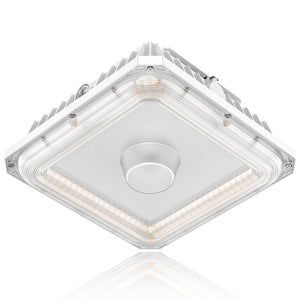
Traditional smart lighting follows fixed sensor‑trigger rules. Machine‑learning‑based AI systems continuously collect data including daylight intensity, personnel occupancy, user habits and working schedules, and independently adjust brightness, colour temperature and operation rhythm without manual setting. In U.S. commercial buildings, AI‑optimized LED lighting can achieve extra 30‑70 % energy savings beyond basic LED power‑saving performance. Human‑centric lighting (HCL) supported by AI is widely deployed in offices, hospitals and senior‑care facilities to improve staff productivity and patient recovery effects. For municipal street‑light projects across U.S. cities, AI adjusts lamp brightness according to real‑time traffic and pedestrian flow, lowering public‑lighting power consumption significantly. AI‑lighting hardware is increasingly integrated with American building management systems (BMS), forming an interconnected intelligent building ecosystem.
2. Accelerated product development via generative AI
Generative‑AI simulation tools shorten optical‑design cycles for LED drivers, chips and lamps, reducing physical‑prototype trial‑and‑error costs for U.S. electrical‑lighting manufacturers. Engineers can simulate complex lighting‑scene effects quickly and customize solutions for warehouses, horticultural lighting and medical‑lighting scenarios.
2. Optimization of domestic manufacturing and supply chains
1. Intelligent quality inspection
AI visual inspection systems are applied on U.S. production lines for LED chips, circuit boards and electrical components. They identify tiny solder defects, chip damage and surface flaws with higher accuracy than manual work, lifting product yield and cutting rework losses, and satisfying strict U.S. electrical‑safety certification requirements.
2. Predictive production & supply‑chain risk warning
AI analyses market demand, raw‑material prices and logistics data to optimize production scheduling and inventory allocation for U.S. electrical enterprises. It helps mitigate component‑shortage risks that troubled the U.S. electronics industry in recent years, improving delivery stability.
3. Predictive maintenance for finished‑product operation
Connected LED fixtures upload operating data. AI algorithms predict lamp ageing, driver faults and circuit abnormalities in advance, shifting from breakdown‑repair to proactive maintenance. This greatly reduces on‑site‑maintenance costs for large‑scale commercial‑building and city‑lighting projects in the United States.
3. Transformation of business models and market structure
1. Rise of Lighting‑as‑a‑Service (LaaS)
Many U.S. lighting enterprises no longer rely merely on hardware sales. They sell long‑term intelligent‑lighting operation‑services including AI energy‑management, equipment maintenance and data‑analysis reports. This creates recurring‑revenue streams for manufacturers and contractors.
2. Market‑growth driving force
The U.S. AI‑driven lighting‑control market maintains an 11.7 % compound‑annual‑growth rate, with strong demand from warehouses, university campuses and large‑commercial complexes. Large American electrical firms such as Acuity Brands, Honeywell and Schneider Electric compete on integrated software‑hardware intelligent‑platform capabilities rather than only hardware performance
3. Market‑segment differentiation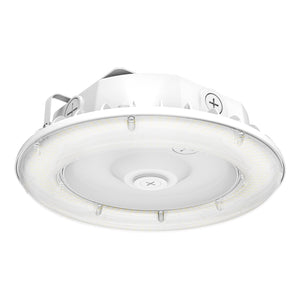
High‑value commercial, medical and municipal‑project markets increasingly demand AI‑embedded LED products. Conventional low‑margin basic‑LED‑lamp competition intensifies, pushing U.S. manufacturers to shift toward high‑value intelligent solutions.
4. Impacts on energy‑grid and electrical‑system operation
Large‑scale AI‑controlled LED‑lighting loads become flexible adjustable resources for U.S. power grids. AI can coordinate thousands of connected LED lamps to adjust power consumption dynamically according to grid‑load fluctuations, supporting peak‑load shifting and cooperating with local renewable‑energy systems, bringing new‑type load‑management challenges for U.S. electrical‑grid operators.
5. Main challenges facing U.S. industry
- **Cost and technical‑barrier pressure**
Adding AI chips, sensors and cloud‑computing modules raises product costs. Many old U.S. buildings lack supporting wiring and network infrastructure, raising retrofitting costs for AI‑lighting upgrades. Legacy‑equipment data silos create difficulties for AI‑model training.
2. **Data‑security and privacy risks**
AI‑connected lighting systems collect occupancy‑and‑behaviour data from offices and public spaces, triggering American public concerns over data leakage and privacy violation. Enterprises need to comply with U.S. state‑level data‑protection rules when deploying intelligent lighting.
3. Talent shortage
The industry faces shortages of compound‑talents who master both electrical‑lighting engineering and AI‑algorithm application, restricting the large‑scale promotion of AI‑lighting solutions among small‑and‑medium‑sized U.S. electrical‑lighting enterprises.
4. Regulatory uncertainties
U.S. legislators are discussing new rules requiring enterprises to report environmental‑energy consumption data of AI‑powered systems. Lighting companies need to adjust product‑design and reporting mechanisms to meet potential new compliance obligations.
Summary
For the U.S. electrical and LED‑lighting industries, AI brings core values including higher energy efficiency, better user experience, optimized manufacturing and new service‑business modes. Meanwhile, the industry must address costs, data‑privacy, infrastructure‑matching and talent‑shortage bottlenecks. Intelligent connected LED lighting has become a major development direction for the U.S. lighting market.
How can the U.S. electrical and LED lighting industries stay competitive in the age of artificial intelligence
To maintain competitiveness amid the AI revolution, the U.S. electrical and LED‑lighting industries need to advance product innovation, upgrade manufacturing and supply chains, reshape business models, address risks of AI technology, cultivate talent and consolidate market advantages, as detailed below.
1. Strengthen AI‑oriented R&D and build differentiated technical advantages
First, allocate more R&D resources to AI‑embedded intelligent lighting rather than only traditional LED hardware. Develop proprietary algorithms for adaptive lighting, predictive maintenance and human‑centric lighting (HCL) for offices, hospitals, municipal street‑lights and horticultural lighting scenarios. Generative‑AI simulation tools should be widely adopted to shorten optical‑design cycles, cut prototype costs and speed up new‑product launches. Enterprises should focus on patent layout for lighting‑AI software, control logic and system solutions, forming technical moats against low‑margin hardware competition. Besides, adopt open industry standards such as DALI‑2 and Matter to ensure compatibility with mainstream U.S. building management systems (BMS), avoiding closed private protocols that limit market promotion.
2. Upgrade smart manufacturing and build resilient domestic supply chains
Deploy AI visual inspection, real‑time quality monitoring and predictive‑production systems on domestic production lines for LED chips, drivers and electrical components. This improves product yield, lowers rework costs and meets strict U.S. electrical‑safety certification standards. AI‑powered supply‑chain analytics can forecast raw‑material price swings and component shortages, optimize inventory and production scheduling, and mitigate supply‑chain fragility risks that troubled the U.S. electronics sector in past years. Adopt modular hardware‑software design for AI‑LED products, reducing retrofitting costs for old U.S. buildings and expanding the market for renovation projects.
3. Transform business models: shift from hardware sales to solution‑driven services
U.S. lighting firms should accelerate the popularization of **Lighting‑as‑a‑Service (LaaS)**. Instead of merely selling lamps, they deliver integrated packages including AI energy management, remote predictive maintenance, data analysis and continuous algorithm updates, creating stable recurring‑revenue streams. Quantify and demonstrate tangible customer value: measurable energy‑saving data, occupant‑comfort improvement and maintenance‑cost reduction should be included in project contracts and reports to convince commercial clients, municipal governments and building operators. Target high‑growth vertical markets: data centers, healthcare facilities, university campuses and smart‑city street‑light projects, where AI‑enabled LED solutions have strong demand potential.
4. Address data‑privacy, cybersecurity and regulatory compliance challenges
Connected AI‑lighting systems collect occupancy and behavioural data, which raises privacy concerns in the United States. Enterprises must embed data‑security mechanisms into product design, comply with state‑level U.S. data‑protection rules, and avoid unauthorized collection or leakage of user information. Keep track of evolving U.S. regulatory trends for AI systems, including requirements for energy‑consumption reporting of AI‑powered equipment. Adjust product testing and documentation workflows to satisfy new compliance obligations ahead of formal rule enforcement. Transparent data governance will strengthen customer trust and become a competitive selling point for commercial‑grade intelligent lighting products.
5. Cultivate compound industry talent and expand cross‑industry cooperation
The industry faces shortages of engineers who master both electrical‑lighting engineering and AI algorithm application. U.S. companies can cooperate with universities and technical colleges to develop joint training programmes for lighting‑AI compound talents. Enterprises may also partner with building‑system suppliers, medical‑research institutions and municipal authorities to jointly validate human‑centric lighting and smart‑street‑light solutions, and accelerate technology commercialization through real‑world pilot projects. Small‑and‑medium‑sized enterprises can cooperate with tech vendors rather than building full‑stack AI capacities from scratch, lowering technical‑entry barriers.
6. Combine AI innovation with sustainability goals
Align AI‑LED product development with U.S. net‑zero‑building and energy‑saving policies. Optimize AI‑algorithm energy consumption to avoid excessive power waste brought by intelligent modules. Make full use of AI‑controlled LED lighting as flexible grid‑adjustable resources, cooperating with local renewable‑energy power networks. Highlight dual values of lighting products: energy‑saving performance and carbon‑emission reduction, to meet procurement requirements of U.S. government projects and green‑building investors.
Conclusion
In the AI era, U.S. electrical and LED‑lighting industries must move beyond pure hardware competition. Competitiveness comes from differentiated AI‑driven solutions, service‑oriented business transformation, resilient manufacturing‑supply‑chain systems, sound compliance mechanisms and sufficient compound talent. Companies that can turn AI‑generated data into verifiable economic and environmental benefits will gain upper‑hand advantages in the North American market.
How can smaller companies in the U.S. electrical and LED lighting industries compete with larger ones that have more resources to invest in AI?
Large U.S. lighting corporations such as Acuity Brands and Hubbell possess large‑scale R&D budgets, proprietary AI platforms and broad distribution networks. Small‑and‑medium‑sized enterprises cannot match them by building full‑stack AI systems from scratch. Instead, small firms should leverage agility, niche expertise, external partnerships and low‑cost AI tools to build market advantages.
1. Target underserved niche vertical markets instead of broad mass‑market competition
Big corporations prioritize large‑volume mainstream projects (general‑purpose office lighting, city‑wide street‑light contracts). Smaller companies can focus on high‑specialty segments ignored by large players: horticultural LED lighting, clean‑room lighting, historic‑building retrofit lighting, marine‑vessel lighting, small‑scale healthcare facilities and rural municipal lighting projects.
- They combine domain‑specific industry knowledge with targeted lightweight AI functions, such as AI‑optimized plant‑growth lighting algorithms or adaptive lighting for heritage‑building renovation.
- They deliver customized, application‑oriented solutions rather than generic one‑size‑fits‑all products. Niche positioning reduces direct head‑to‑head competition and supports higher profit margins. 
2. Adopt “borrow‑rather‑than‑build” AI strategies via partnerships and off‑the‑shelf tools
Small firms should avoid developing proprietary large‑AI models, which require heavy capital and talent investment.
1. Cooperate with third‑party AI‑IoT platform vendors, cloud service providers and sensor suppliers. License existing AI control modules, edge‑AI algorithms and cloud‑analytics APIs and integrate them into their LED hardware. This cuts R&D costs and shortens product launch cycles.
2. Adopt open industry standards such as Matter and DALI‑2. Make their LED products compatible with mainstream building‑management systems, so they do not need to build closed, expensive end‑to‑end platforms.
3. Form alliances with local system integrators, electrical contractors and regional smart‑city consultants. Small companies supply hardware plus lightweight AI features, while partners handle large‑project deployment and customer support.
3. Turn operational agility into competitive strength
Unlike big enterprises slowed by multi‑level internal approval procedures, small businesses have faster decision‑making and iteration speeds.
- Quickly test and iterate AI‑enhanced LED products based on direct customer feedback. Pilot small‑batch solutions for local clients, refine functions, and then scale up.
- Apply affordable generative‑AI tools internally to boost productivity: accelerate optical simulation, generate product documentation, automate inventory forecasting, optimize customer‑service workflows, and shorten quotation‑and‑design cycles. AI improves internal efficiency without massive capital spending.
4. Differentiate through service‑oriented local support and flexible customized offerings
Large corporations often deliver standardized hardware with remote‑only support. Small‑sized U.S. lighting companies can compete by proximity and customization:
- Offer localized technical consulting, on‑site commissioning, and tailored Lighting‑as‑a‑Service (LaaS) for small‑to‑mid‑size clients, such as local schools, small hospitals and regional retail chains.
- Provide flexible retrofit solutions for old U.S. buildings. Many legacy facilities cannot afford large‑enterprise expensive full‑system overhauls. Small firms deliver cost‑effective partial upgrades by adding AI‑driven sensors and controllers to existing LED fixtures.
5. Focus on compliance, data transparency and trust‑building as selling points
Data‑privacy and cybersecurity are major concerns for U.S. commercial and municipal buyers. Many large‑company AI‑lighting platforms collect massive volumes of user data.
Small enterprises can design lightweight AI systems with local‑edge data processing: minimize cloud‑data transmission, clearly disclose data‑collection rules, and strictly comply with U.S. state‑level data‑protection requirements. Transparent data governance becomes a selling point for privacy‑sensitive customers.
6. Optimize talent and seek external funding and industry resources
Small firms rarely afford full‑time AI‑algorithm teams.


