

Advantages & Disadvantages of Different BUG Ratings for Wall Packs & Flood Lights
BUG ratings run from 0 (best light control) to 5 (worst stray light). Below is a breakdown for B (Backlight), U (Uplight), and G (Glare) separately, plus pros/cons of low (0–1), medium (2–3), high (4–5) BUG combinations for wall packs and floodlights.
1. B Rating (Backlight: Light spilling behind the fixture toward neighboring properties)
B0 (≤0.5% rear lumens, fully shielded rear)
Advantages
- Zero light trespass; no light leaks into neighbors’ windows, yards, or adjacent buildings
- Fully compliant with residential HOA, municipal light pollution laws
- Eliminates neighbor light complaints
- Ideal for wall packs mounted directly on property lines
- Long-term code compliance, no forced fixture replacement
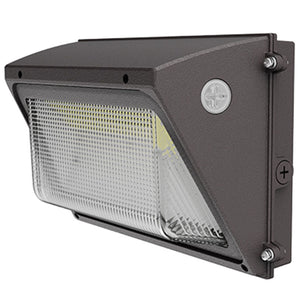
- Tight sealed rear housing also improves dust/waterproofing for wall packs
Disadvantages
- Higher manufacturing cost: extra rear baffles, light-block gaskets, sealed back panels
- Slightly thicker, bulkier fixture housing (less slim aesthetic for decorative wall packs)
- Minor light loss from internal rear shielding (tiny lumen efficiency drop <3%)
B1 (0.5%–2% rear lumens, minimal rear spill)
Advantages
- Balanced cost and light control; cheaper than B0
- Still acceptable for most commercial buildings not bordering homes
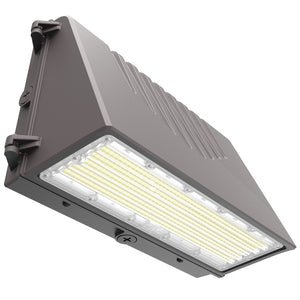
- Slimmer fixture designs available than B0
- Negligible neighbor disturbance at distances >15m from occupied buildings
Disadvantages
- Cannot use on shared residential property lines
- May trigger light trespass complaints if within 10m of adjacent houses
- Fails strict dark-sky residential zoning codes

B2–B3 (2%–10% rear lumens, moderate back spill)
Advantages
- Lowest fixture cost; simple unshielded rear housings
- Lighter, compact fixture bodies; easier installation
- Acceptable for remote industrial sites with no nearby residences
Disadvantages
- Significant light spill onto adjacent lots; guaranteed neighbor complaints in residential areas
- Violates most suburban and commercial lighting ordinances
- Not permitted for apartment, retail, or residential wall packs
- Poor sealing increases risk of water/insect intrusion into wall pack wiring cavities
B4–B5 (>10% rear lumens, heavy backlight)
Advantages
- Ultra-low cost; basic bare reflector fixtures with no rear shielding
- Wide raw light spread for unregulated remote construction yards
Disadvantages
- Banned in nearly all urban, suburban, commercial zones
- Severe light trespass; frequent HOA fines and mandatory fixture swap-outs
- Massive wasted light energy (lumens thrown away behind the fixture)
- Unsealed rear openings shorten wall pack lifespan from moisture damage
2. U Rating (Uplight: Light shining upward, creates sky glow & light pollution)
U0 (≤0.5% upward lumens, full cutoff zero sky light)
Advantages
- Fully Dark Sky compliant; eliminates sky glow, preserves stargazing visibility
- Mandatory for observatory zones, nature reserves, and most modern residential codes
- Reduces wasted energy—no lumens lost upward into the sky
- Minimizes light interference with wildlife, birds, and nocturnal ecosystems
- Avoids municipal fines for light pollution violations
Disadvantages
- Requires robust top hoods and deep cutoff optics, raising fixture cost
- Larger top overhang may detract from minimalist wall pack aesthetics
- Narrower beam flexibility; harder to create wide, soft floodlight spread without upward leakage
U1 (0.5%–1% upward lumens, near full cutoff)
Advantages
- Near dark-sky performance at a lower price than U0
- Allowed in most commercial, retail, and light industrial zones
- Slimmer top shielding than U0; more compact fixture shapes
- Minimal sky glow invisible to the naked eye
Disadvantages
- Rejected in strict dark-sky protected towns
- Tiny upward scatter visible on clear, dark nights for sensitive sky preservation areas
U2–U3 (1%–10% upward lumens, semi-cutoff)
Advantages
- Low-cost simple fixtures with minimal top shielding
- Wider, softer floodlight beam angles for large industrial yards
- No restrictive top hood limiting light spread
Disadvantages
- Obvious sky glow visible at night; contributes to regional light pollution
- Prohibited in all residential, suburban, and downtown commercial districts
- Wastes energy on unneeded upward light
- Disrupts local wildlife and astronomical observation
U4–U5 (>10% upward lumens, unshielded top)
Advantages
- Cheapest flood lights/wall packs available; no top baffles
- Omnidirectional raw light output for temporary construction lighting
Disadvantages
- Almost universally banned by city lighting codes
- Severe sky glow; heavy energy waste
- Cannot be used for permanent building perimeter lighting
- Disturbs nearby wildlife habitats and residential night environments
3. G Rating (Glare: Harsh blinding light that impairs human vision)
G0–G1 (Low glare, ≤500 cd intensity at viewing angles)
Advantages
- Soft, comfortable lighting for pedestrian zones: entry doors, walkways, sidewalks
- Eliminates blinding eye strain for visitors, staff, and passersby
- Improves safety: no glare blocking vision of stairs, curbs, walkways
- Ideal for eye-height wall packs mounted near building entrances
- Compliant with safety codes for public-access areas
Disadvantages
- Require frosted lenses, honeycomb baffles, recessed LEDs – higher material cost
- Slight lumen reduction from light diffusion optics
- Less concentrated bright output if maximum illumination is needed for large industrial yards
G2 (Moderate glare, 500–2000 cd intensity)
Advantages
- Balanced brightness and cost; standard for tall pole parking lot floodlights
- Stronger light output for large paved areas with minimal foot traffic
- Cheaper optics than G0/G1; clear lenses with simple recessed LEDs
Disadvantages
- Creates uncomfortable glare if installed low to the ground near walkways
- Not allowed for entryway wall packs at human eye level
G3–G5 (High severe glare, >2000 cd intensity)
Advantages
- Maximum raw brightness at the lowest fixture cost
- Perfect for remote industrial staging yards with no regular pedestrian traffic
Disadvantages
- Blinding, unsafe glare for anyone within viewing range
- Impairs night vision; creates safety hazards near roads, crosswalks, or entryways
- Banned for all residential, commercial, public pedestrian lighting
- Causes driver visual distraction if facing roadways
4. Pros & Cons of Common Combined BUG Rating Groups for Wall Packs & Flood Lights
Group 1: Low BUG (B0-U0-G0/G1 – Premium Fully Shielded Fixtures)
Typical use: Home wall packs, apartment entrances, residential landscape flood lights, dark-sky areas
Advantages
- 100% code, HOA, dark-sky compliant nationwide
- Zero light trespass, sky glow, and uncomfortable glare
- Zero risk of neighbor complaints or fines
- Best energy efficiency; all lumens target intended ground surfaces
- Long fixture lifespan (fully sealed, complete shielding blocks dust/moisture)
Disadvantages
- Highest upfront fixture purchase cost
- Bulkier physical housing; fewer slim decorative design options
- Slight light output loss from multi-layer shielding optics
Group 2: Medium BUG (B1-U1-G1/G2 – Standard Commercial Fixtures)
Typical use: Retail storefront wall packs, commercial parking lot floodlights, light industrial facilities far from homes
Advantages
- Mid-range cost, balanced performance
- Compliant for most commercial zoning districts without strict dark-sky rules
- Slimmer, more aesthetic fixture designs than B0-U0 models
- Slightly higher effective lumen output with less internal shielding loss
Disadvantages
- Cannot install adjacent to residential property lines
- Fails dark-sky community regulations
- Minor stray light may create occasional minor neighbor complaints
Group 3: High BUG (B2+/U2+/G3+ – Unshielded Industrial Fixtures)
Typical use: Isolated warehouse rear yards, temporary construction floodlights, remote mining sites
Advantages
- Lowest upfront cost by a large margin
- Maximum raw light output with no optical shielding loss
- Lightweight, compact simple housings for easy temporary mounting
Disadvantages
- Illegal for permanent lighting in residential, suburban, downtown zones
- Severe light pollution, trespass, and blinding glare
- Massive wasted energy (large portion of lumens directed skyward/backward)
- High risk of HOA/city fines, forced fixture replacement
- Poor sealing leads to frequent moisture damage and shorter service life
Specific Technical & Performance Requirements for Wall Packs & Flood Lights by BUG Ratings
The BUG rating system is defined by the IESNA (Illuminating Engineering Society) standard LM-79 / TM-15, with fixed quantified light spill limits for Backlight (B), Uplight (U), Glare (G). All ratings range from 0 (strictest, zero stray light) to 5 (uncontrolled maximum spill). Below are the exact luminous output thresholds, fixture design rules, and mandatory construction requirements split by B, U, G, plus dedicated wall pack / flood light constraints.
1. B = Backlight (Light emitted rearward, toward building walls / adjacent lots)
Definition: Light flux projected into the rear 180° hemisphere behind the fixture mounting plane. Quantitative Requirement: % of total fixture lumens spilling backward.
| B Rating | Exact Lumen Spill Requirement | Mandatory Fixture Design Rules (Wall Packs + Flood Lights) |
|---|---|---|
| B0 | ≤ 0.5% total lumens backward spill | - Full rear light shield / closed back housing
|
| B1 | 0.5% – 2% total lumens backward spill | - Partial rear shielding; tiny controlled rear gaps only for wiring
|
| B2 | 2% – 5% total lumens backward spill | - Minimal rear baffling allowed; small rear light escape permitted
|
| B3 | 5% – 10% total lumens backward spill | - Limited rear shielding; significant rear light spill
|
| B4 | 10% – 20% total lumens backward spill | - Bare reflectors with no rear shielding
|
| B5 | >20% total lumens backward spill | - Fully open rear housing; massive light trespass
|
Wall Pack Special B Rules
Wall packs mount flat against vertical walls, so B rating is far more critical:
- B0 required for all residential wall packs: No light bleeding into neighbor windows.
- B1 maximum allowed for storefront wall packs on property lines.
- B2–B5 wall packs are illegal for multi-family housing complexes.
Flood Light Special B Rules
Adjustable arm-mounted floods have wider rear scatter:
- Parking lot floods adjacent to homes cap at B1.
- Remote industrial yard floods may use B2/B3 only with local authority approval.
2. U = Uplight (Light shining upward into sky; sky glow control)
Definition: Light flux projected above the fixture horizontal plane (0° upward to 90° zenith). Quantitative Requirement: % of total lumens directed skyward.
table { border-collapse: collapse; width: 100%; } th, td { border: 1px solid #ccc; padding: 8px; text-align: left; }
| U Rating | Exact Lumen Spill Requirement | Mandatory Fixture Design Rules (Wall Packs + Flood Lights) |
|---|---|---|
| U0 | ≤ 0.5% total lumens upward spill (Full Cutoff) | - Complete top light shield / full cutoff lens
|
| U1 | 0.5% – 1% total lumens upward spill (Cutoff) | - Minimal upward light leakage only at extreme beam edges
|
| U2 | 1% – 5% total lumens upward spill (Semi-cutoff) | - Partial top shielding; noticeable sky glow
|
| U3 | 5% – 10% total lumens upward spill | - Weak top baffles; significant sky glow
|
| U4 | 10% – 20% total lumens upward spill | - No top shielding; large upward light output |
| U5 | >20% total lumens upward spill | - Fully open top; heavy light pollution
|
Wall Pack Special U Rules
Most wall packs are vertical surface-mounted:
- All modern residential wall packs must be U0; open-top unshielded wall packs (U3+) are obsolete and code-violating.
- Commercial wall packs can use U1 only if no dark-sky ordinances apply.
Flood Light Special U Rules
Wide-beam floods easily spill upward:
- Landscape facade floods for homes/hotels require U0 full cutoff.
- Standard parking lot floods max U1; U2+ forbidden near residential districts.
3. G = Glare (Discomfort glare from direct bright light to human eyes)
Definition: Measured via maximum luminous intensity (cd) at viewing angles between 60°–90° below horizontal (human eye line of sight). Restricts harsh, blinding bright light.
table { border-collapse: collapse; width: 100%; } th, td { border: 1px solid #ccc; padding: 8px; text-align: left; }
| G Rating | Exact Glare Intensity Requirement | Mandatory Fixture Design Rules (Wall Packs + Flood Lights) |
|---|---|---|
| G0 | Max intensity ≤ 100 cd @ 70° downward viewing angle | - Diffused frosted lenses, deep recessed LED chips
|
| G1 | Max intensity 100 – 500 cd @ 70° viewing angle | - Slightly clear lenses with minor internal baffling
|
| G2 | Max intensity 500 – 2,000 cd @ 70° viewing angle | - Standard clear lenses, moderate recessed LEDs
|
| G3 | Max intensity 2,000 – 5,000 cd @ 70° viewing angle | - Minimal lens diffusion; bright direct point source
|
| G4 | Max intensity 5,000 – 10,000 cd @ 70° viewing angle | - Bare LED chips with no glare reduction |
| G5 | >10,000 cd @ 70° viewing angle | - Severe blinding glare; hazardous for human vision
|
Wall Pack Special G Rules
Wall packs sit at human eye height (1.8–2.5m):
- Front door, pathway wall packs require G0/G1 to avoid blinding visitors.
- Warehouse rear wall packs with no foot traffic can use G2.
Flood Light Special G Rules
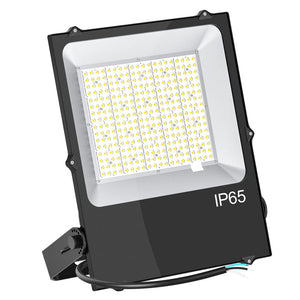
High-wattage flood lights have stronger glare:
- Low-height landscape floods near sidewalks: G0/G1 mandatory.
- Tall pole-mounted parking lot floods (6m+ height): G2 acceptable.
- G3–G5 floods cannot be installed within 30m of pedestrian zones.
4. Combined Mandatory BUG Rating Package Requirements by Fixture Type
A. Residential Wall Packs (Homes, Townhomes, Condo Facades)
Legal minimum combined requirement: B0 + U0 + G0/G1 Hard rules:
- Backlight ≤0.5% (B0) to eliminate window light trespass
- Uplight ≤0.5% (U0) full cutoff for dark sky compliance
- Glare capped at ≤500 cd (G0/G1) for pedestrian safety
- No fixture gaps allowing rear/top light leakage
B. Commercial Wall Packs (Retail, Small Office Fronts)
Standard required combo: B0/B1 + U0/U1 + G1/G2 Hard rules:
- If bordering residential property: Strict B0 only
- U cannot exceed U1; U2+ prohibited in town limits
- Storefront entryways must maintain G1 max glare
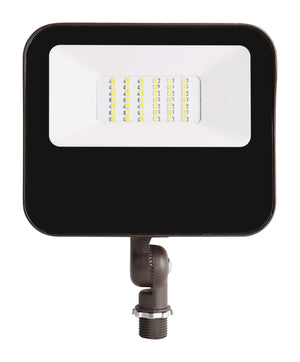
C. Landscape / Facade Flood Lights (Residential, Hotel Exteriors)
Mandatory combo: B0 + U0 + G0/G1 Hard rules:
- Full rear baffles to hit B0 (no spill onto adjacent yards)
- Full top cutoff hoods for U0 zero sky glow
- Diffused lenses to limit glare for pedestrians viewing building lighting
D. Parking Lot Flood Lights (Retail, Municipal Lots)
Allowed combo: B1 max + U0/U1 + G1/G2 Hard rules:
- B2+ banned if lot is within 20m of residential housing
- Dark-sky zones force U0; non-dark-sky suburban areas allow U1
- Lots with pedestrian crosswalks must use G1, not G2
E. Remote Industrial Wall Packs & Flood Lights (Warehouse Rear, Isolated Yards)
Permitted flexible combo: B1–B3 + U1–U2 + G2–G3 Hard rules:
- Must prove ≥30m separation from all residential buildings
- Local zoning board written approval required for U2 / B3 fixtures
- G3+ glare fixtures cannot face public roadways
5. Universal Compliance Hard Requirements for All Low BUG Grade Fixtures (B0/U0/G0/G1)
- Physical shielding: Integrated metal hoods, rear baffles, internal light traps – no after-market add-on shields allowed to qualify for B0/U0 certification.
- Sealing: All wiring cutouts, mounting gaps sealed with light-blocking gaskets to prevent stray lumen leakage.
- Optical design: Recessed LED arrays, directional secondary optics to contain light within target beam angles.
- Testing standard: BUG ratings must be certified via IES TM-15 photometric lab testing; manufacturer self-claimed BUG grades without lab reports are non-compliant for code enforcement.


