

1. Choose the right LED bulbs
-
Color temperature
- 2700K–3000K (warm white): Bedrooms, living rooms, creates cozy, relaxing atmosphere.
- 4000K (neutral white): Kitchens, studies, hallways, clear and natural light.
- 5000K–6500K (cool white): Workspaces, garages, helps stay alert.
-
Brightness (lumens)
Low lumens for accent lighting; high lumens for main overhead lighting.
- Base type: Match sockets (E27, E26, GU10 etc.) to fit your lamps.
2. Layer lighting with LEDs (the most practical home method)
Main ambient lighting
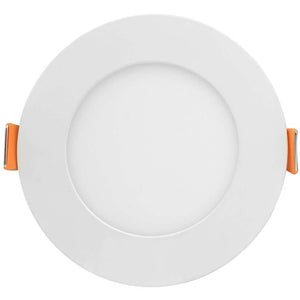
Replace traditional ceiling lights with LED panel lights or LED bulb ceiling lamps. Provides even overall brightness for daily activities.
Task lighting
Focused light for work:
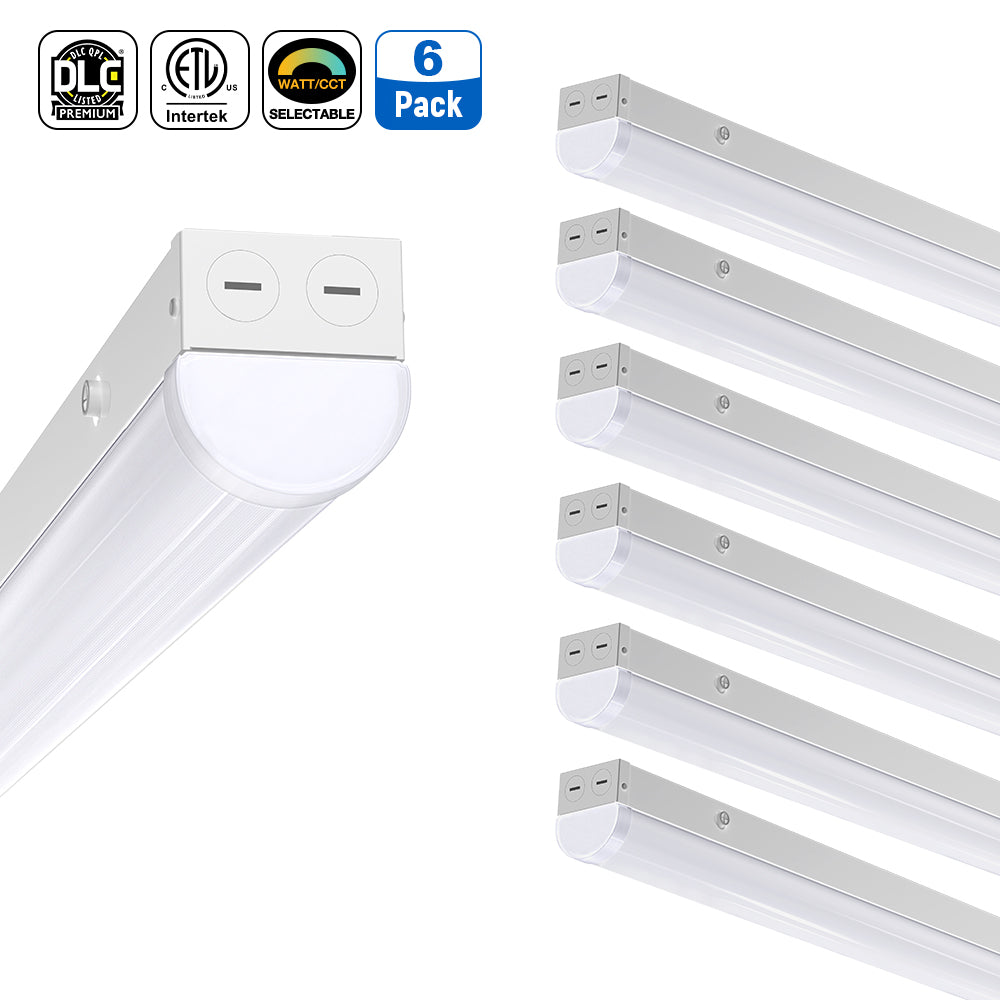
- LED desk lamps in study/office
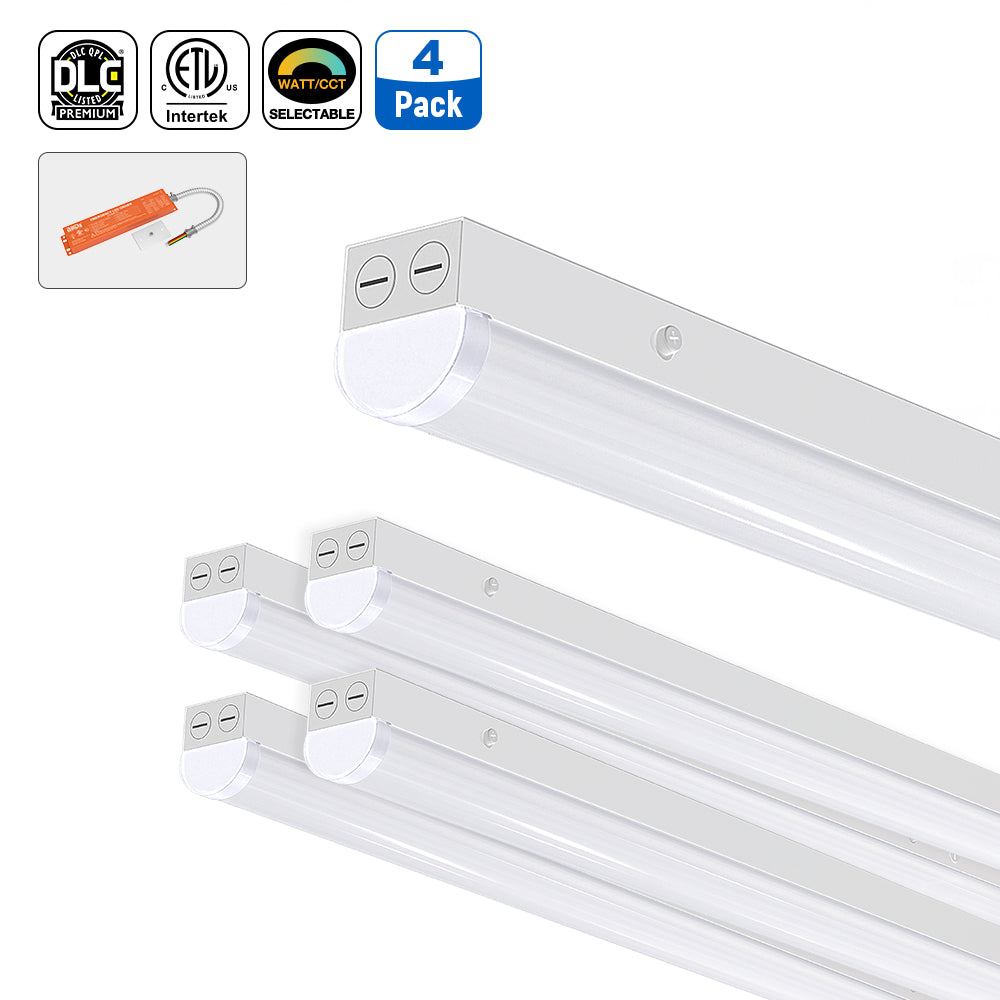
- Under-cabinet LED strips above kitchen countertops
- LED vanity lights beside bathroom mirrors
Accent lighting (decorative)
- LED strip lights behind TV, headboards or shelves
- Small LED spotlights to highlight paintings, plants and decorations
- LED candle bulbs for side tables
3. Smart LED options
Smart LED bulbs/strips support:
- Dimming brightness
- Color changing (RGB/RGBW)
- Timers, voice control (Alexa, Google Home)
- Scene modes: movie night, dinner, bedtime.
Tip: Avoid overusing colorful lighting; reserve vibrant colors for entertainment areas only.
4. Room-by-room usage tips
Living room
Warm white main lights + dimmable LED strips behind TV. Dim lights for watching films.
Bedroom
How many lumens do I need?
It’s like learning to think in metric, only easier. Since LEDs use drastically fewer watts to create the same strength of light, it becomes confusing to use wattage as the primary reference point. it easy to compare and find the bulb you want for the purpose. If you’re still used to incandescent standards, try the following conversions for convenience:
- 25-watt incandescent: 250 lumens
- 40-watt incandescent: 450 lumens
- 60-watt incandescent: 800 lumens
- 75-watt incandescent: 1100 lumens
- 100-watt incandescent: 1600 lumens
Kitchen
Neutral white LEDs. Install under-cabinet LED strips to eliminate countertop shadows.
Bathroom
Select waterproof LED lights. Use LED mirror lights for shaving/makeup.
Study / Home office
Neutral white LED desk lamp; do not rely only on screen light.
5. Important safety & usage tips
- Check waterproof rating: Only IP44+ LEDs can be used in bathrooms/balconies.
- Do not install non-waterproof LED strips near water.
- Ensure good heat dissipation; don’t seal LED bulbs inside fully enclosed small fixtures unless marked suitable.
- LEDs save energy, but buy certified products to avoid flickering and eye strain.
- If using dimmers: Make sure your LEDs are dimmable, and match with LED-compatible dimmer switches.
6. Simple mistakes to avoid
- Don’t pick overly cool white lights for bedrooms (disrupts sleep).
- Don’t mix mismatched color temperatures in one room.
- Don’t overload one power adapter for long LED light strips.
How to Install LED Lights in the Home
Important Pre-installation Reminder
Cut off the household power supply at the circuit breaker before any wiring work!
If you are unfamiliar with electrical circuits, hire a professional electrician to avoid electric shock risks.
Part 1: Install LED Strip Lights (Most Common for Decoration)
Tools you need: LED light strip, power adapter, connecting wires, scissors, double-sided adhesive, clips, wire connectors
-
Measure and cut the strip
Only cut along the marked cutting lines (copper dots). Do not cut randomly, otherwise the section will stop working.
-
Clean the installation surface
Wipe dust and grease off walls, cabinets, TV backboards. Dirty surfaces make adhesive fall off easily.
-
Stick or fix the light strip
Peel off the backing paper and press firmly. For uneven surfaces, use plastic fixing clips instead of adhesive.
-
Connect the circuit
Join the strip to the connector. Match positive (+) and negative (-) poles. Then connect to the LED power adapter.
-
Test the light
Plug the adapter into the socket and check if all sections light up normally.
Note: Use IP44 or higher waterproof strips for kitchens, bathrooms and balconies.
Part 2: Replace Ordinary Light Bulbs with LED Bulbs
The simplest installation:
- Turn off the light switch and main power.
- Unscrew the old bulb gently.
- Screw the new LED bulb into the lamp holder (E27, GU10 etc.).
- Restore power and test.
Tip: If you need dimming, buy dimmable LED bulbs and matching LED dimmer switches.
Part 3: Install LED Panel Lights / Ceiling LED Lights
- Cut off power. Remove the original ceiling lamp.
- Connect household live wire and neutral wire to the lamp’s terminal block. Keep wires insulated.
- Fix the LED panel onto the ceiling frame or mounting bracket.
- Push the light into the ceiling opening.
- Switch on power and test lighting.
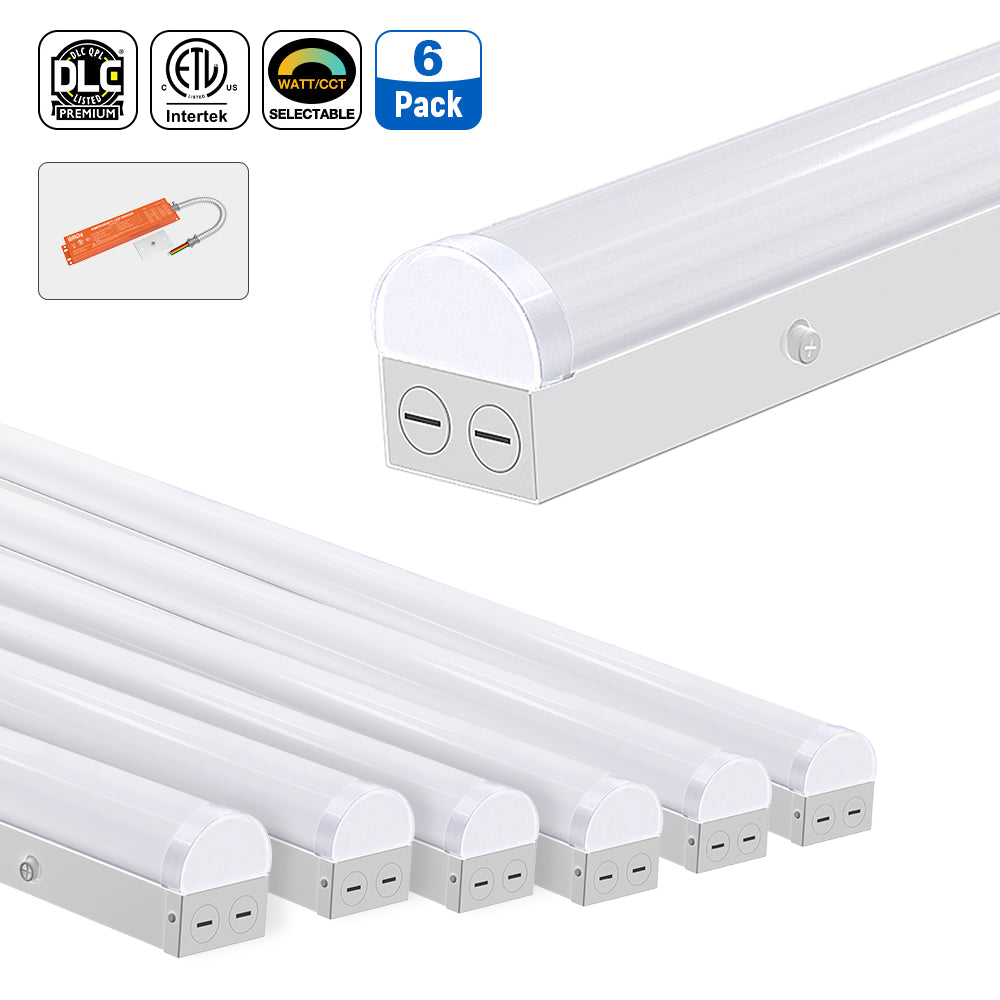
Part 4: Install Under-cabinet LED Lights (Kitchen)
- Mark the mounting position under cabinets.
- Fix the light bar with screws or adhesive.
- Route wires along cabinet edges and hide cables to keep tidy.
- Connect to the power supply; you can add a small independent switch.
Common Safety & Practical Tips
- Do not wrap LED lights tightly with cloth; LEDs need heat dissipation.
- Do not overload one power adapter with too many light strips.
- Hide exposed wires with cable trunking for beauty and safety.
- RGB smart LED strips usually need a signal controller between the strip and adapter.
- Never connect LED strips directly to mains 220V power without a matching transformer.
Common Troubleshooting
- Lights flicker: Poor wire contact, incompatible dimmer or unqualified power adapter.
- Part of the strip does not light: Wrong cutting position or reversed positive/negative wires.


