

- Lower Energy Consumption: LEDs often use much less energy than incandescent or halogen floodlights for similar delivered light, which can reduce utility bills in residential and commercial use. More energy is converted to light, not heat.
- Extended Lifespan: LED floodlights last 25,000 to 50,000 hours, requiring fewer replacements and lowering maintenance costs over time.
- High-Quality Light Output: LEDs provide bright, clear illumination with excellent color rendering, enhancing visibility without flickering or dimming, ideal for outdoor security and sports fields.
- Lower-impact operation: LED floodlights use less energy than many legacy floodlights and do not contain mercury like fluorescent lamps.
- Reduced Maintenance Costs: Durable LEDs require fewer replacements, minimizing labor and material costs, beneficial for large-scale commercial or industrial installations.
- Versatile Applications: Suitable for both indoor and outdoor use, LED floodlights adapt to various needs, from security lighting to illuminating sports arenas and parking lots.
- Instant Lighting: LEDs offer immediate illumination without warm-up time, crucial for security and situations needing instant visibility, enhancing safety and usability.
Types of Floodlights
Outdoor LED Floodlights
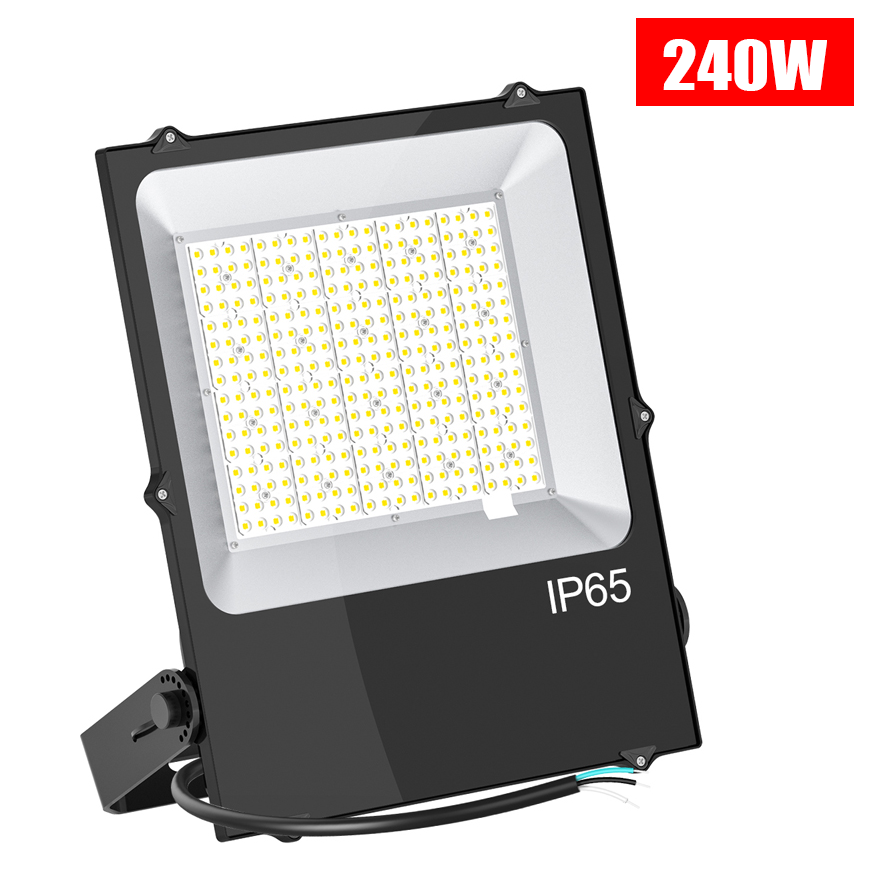
Indoor LED Floodlights
Solar LED Floodlights
Motion Sensor LED Floodlights
Dimmable LED Floodlights
Portable LED Floodlights
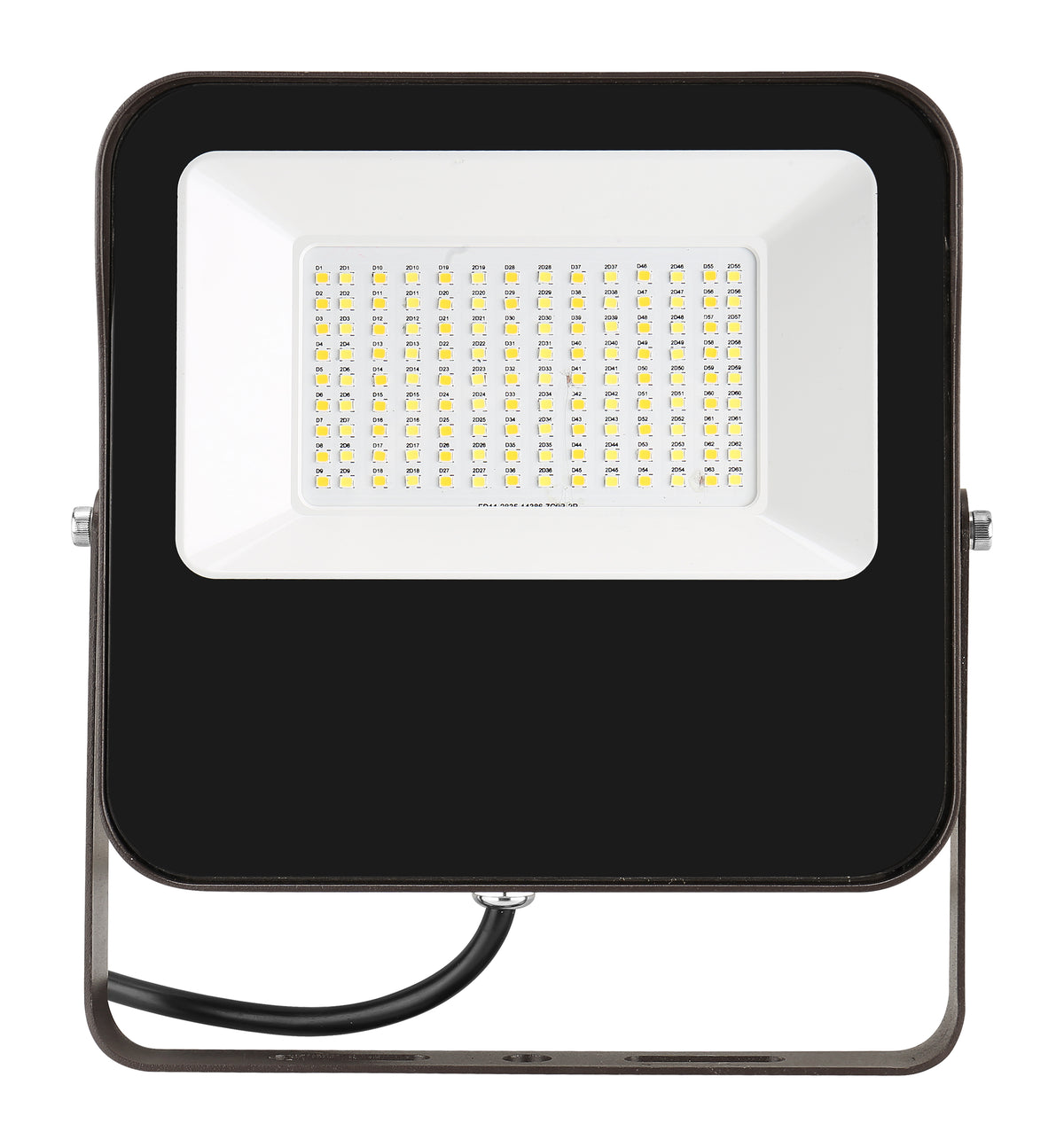
How To Choose The LED Flood Light
Buying flood lights without understanding three core specs — total lumens, beam angle, and weather resistance — is like buying a fire extinguisher without checking the pressure gauge. You will not discover the mistake until the moment you need it to work. Here is what actually separates an effective outdoor flood fixture from a decorative glow-stick.
Lumen Output vs. Wattage Equivalents
Wattage is a measure of energy consumed, not light produced. A 20W LED can output 2,800 lumens — the same usable light as a 250W halogen while drawing roughly 90 percent less power. Always compare the actual lumen number, not the “replaces a 500W halogen” claim printed on the box. For a standard two-car driveway, 4,000 to 6,000 lumens spread across one or two heads is the sweet spot. For large backyards or commercial perimeters, expect 8,000 to 12,000 lumens per fixture.
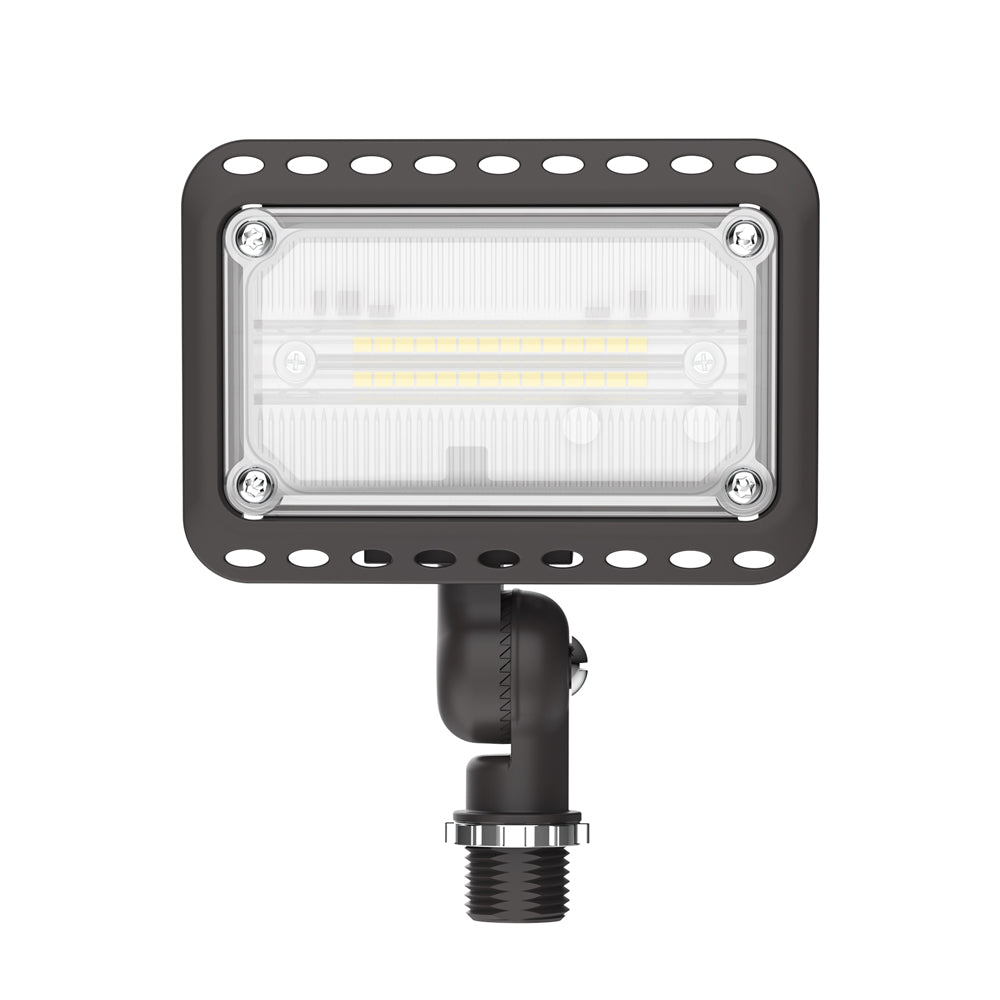
Beam Angle and Coverage Pattern
A narrow 40-degree beam concentrates light into a tight spot — useful for long-distance throws down a property line — while a 90- to 120-degree beam spreads the light evenly across a wide area. Multi-head fixtures with adjustable panels let you mix both: point one head straight down for a porch wash and angle the other two outward for perimeter coverage. Fixed PAR38 bulbs typically offer narrower angles (40 to 60 degrees), so buy multiple bulbs if you need broad area filling.
Weather Sealing and Build Materials
Flood lights live outdoors year-round. IP65 is the baseline for rain resistance (protected against water jets from any direction). IP66 adds protection against powerful water jets and is worth the extra cost if the fixture is mounted in an exposed position without eave cover. Die-cast aluminum housings with powder-coated finishes resist corrosion far better than stamped steel or plastic shells. Also check the included gasket — many installation failures are actually mounting-surface moisture intrusion, not a fixture defect.
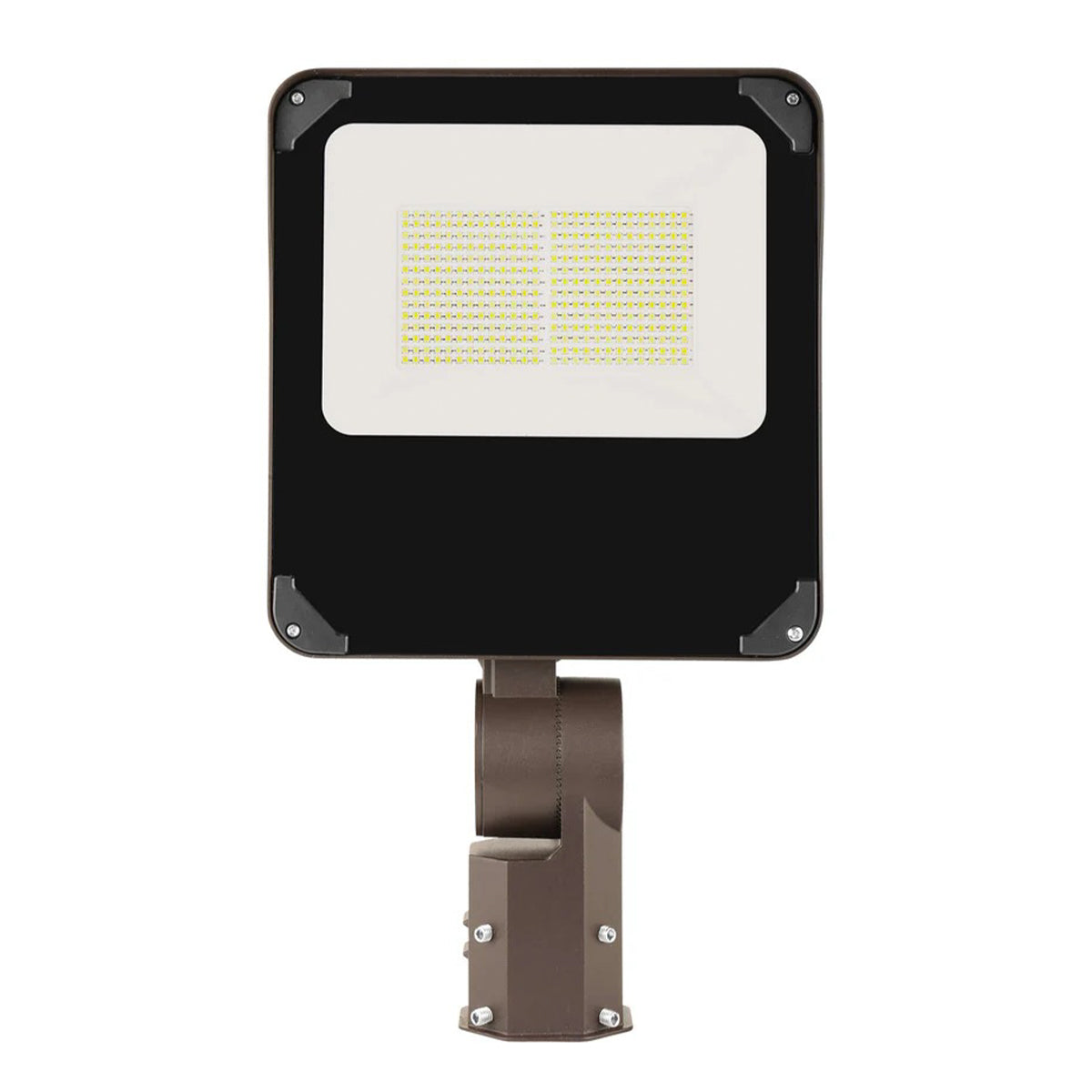
Control Type: Motion Sensor, Dusk-to-Dawn, or Switch-Controlled
Each control scheme solves a different pain point. Motion-activated fixtures with adjustable sensitivity and timer settings (1 to 10 minutes) are best for security — they deter prowlers and save energy by staying dark when nothing is moving. Dusk-to-dawn photocell models turn on automatically at sunset and off at sunrise, good for constant perimeter lighting without thinking about a switch. Switch-controlled fixtures (no sensor) offer the simplest installation and lowest failure point but require manual operation. Many modern units combine all three modes in one unit, letting you toggle between test, security, dusk-to-dawn, and manual override.


