

Before choose a suitable LED work light? we need to know that how is it work?
1. Core principle of LED chips
LED stands for Light Emitting Diode, a semiconductor electronic component.
- Inside the LED chip are two semiconductor layers (N-type & P-type).
- When low-voltage direct current (DC) passes through the chip, electrons combine with holes inside the semiconductor material.
- This reaction releases energy in the form of visible light, with almost no extra heat waste (far more efficient than old halogen bulbs).
- No filament to burn out, so LEDs have a long service life.
2. Key parts of an LED work light
- LED light beads/chips: The light source; high-power SMD/COB chips are used for bright workshop lamps.
-
Driver power supply:
Household AC 110V/220V cannot directly power LEDs. The driver converts alternating current into stable low-voltage DC, controls constant current to protect chips from burning.
- Heat sink (aluminum housing): High-brightness LEDs still generate some heat. Aluminum radiators quickly dissipate heat to prevent light decay and chip damage.
- Lens/reflector: Concentrates scattered LED light into a focused beam for long-distance illumination, or diffuses light for wide-area lighting.
- Battery module (portable models): Rechargeable lithium batteries store electricity; built-in charge management board prevents overcharging/discharging.
- Switch & circuit board: Control power on/off, adjust brightness modes (low/high/strobe).
3. Full working process
-
Plug-in wired work light:Wall AC power → Driver converts AC to stable low DC → DC flows to LED chips → Electron-hole recombination generates light → Lens focuses light outward, aluminum shell dissipates heat continuously.
-
Rechargeable cordless work light:Lithium battery outputs DC power → Circuit board regulates current → Supply power to LED chips → Produce lighting; heat is released through metal casing.
4. Unique advantages compared to traditional work lights
- Energy saving: Uses 70–90% less power than halogen lamps at the same brightness
- Low heat output, safe for workshop use
- Shockproof (no fragile filament)
- Long lifespan (50,000+ hours)
- Dimmable, multi-light modes easy to realize
Complete Guide: How to Pick the Right LED Work Light
Follow these key factors step by step to match your work scene (auto repair, construction, garage, DIY, outdoor field work):
1. Choose Power Type First (Corded vs Cordless)
Corded (Plug-in AC 110/220V)
- Best for: Fixed workshop, garage, long-hour continuous work near power sockets
- Pros: Unlimited runtime, higher max brightness, no charging, cheaper high-power models
- Cons: Limited mobility, tripping hazard from cables
Cordless (Rechargeable Lithium-ion)
- Best for: Car repair, construction sites, roadside breakdown, outdoor no-power areas
- Standard charging: USB-C / Micro USB / dedicated charger
- Key battery rule:
- Small handheld: 2000–3000 mAh (2–5h runtime)
- Large flood work light: 5000–10000 mAh (4–12h on low mode)
- Bonus: Tools-battery compatible lights (Dewalt/Makita/Bosch 18V batteries) if you own power tools Alibaba.co...
Dual-power (AC + rechargeable battery)
All-in-one for mixed indoor/outdoor use, most versatile choice.
2. Brightness: Judge by Lumens (Not just Watts)
Lumen (lm) = real light output; many cheap lights overstate wattage but low lumens
表格
| Lumens | Suitable Scenes |
|---|---|
| 300–600 lm | Small detail work: engine inspection, electronics repair, under-cabinet DIY |
| 800–2000 lm | General garage, small construction area, camping |
| 3000–10000 lm | Large workshop, building sites, night road work, wide-area flood lighting |
- Must-have feature: Multi brightness modes (Low / Medium / High / Strobe / SOS) to save battery and reduce glare.
3. Light Quality: Color Temp & CRI (Critical for Repair/Inspection)
Color Temperature (K)
- 6000–6500K Cool white: Super bright, construction, outdoor night work, fast area lighting
- 4000–4500K Neutral white (TOP pick): Natural daylight tone, car painting, electrical wiring, color matching, eye-friendly for long work hours
- 2700–3000K Warm white: Indoor fine craft, avoids harsh shadows
CRI (Color Rendering Index)
- Ra ≥ 80: Minimum for auto, mechanical, electrical repair (show true wire/fluid color)
- Ra ≥ 90: Premium for painting, mold inspection, precision machining
- Avoid Ra <70 cheap lights: Distort colors, hard to spot oil leaks or wire differences
Beam Angle
- Wide flood (120°–180°): Cover large ground/workbench area
- Narrow spot (30°–60°): Focus deep into engine bays, wall cracks, tight gaps
- Dual spot+flood lens design = most practical multi-task light
4. Waterproof & Dustproof: IP Rating (Match Your Environment)
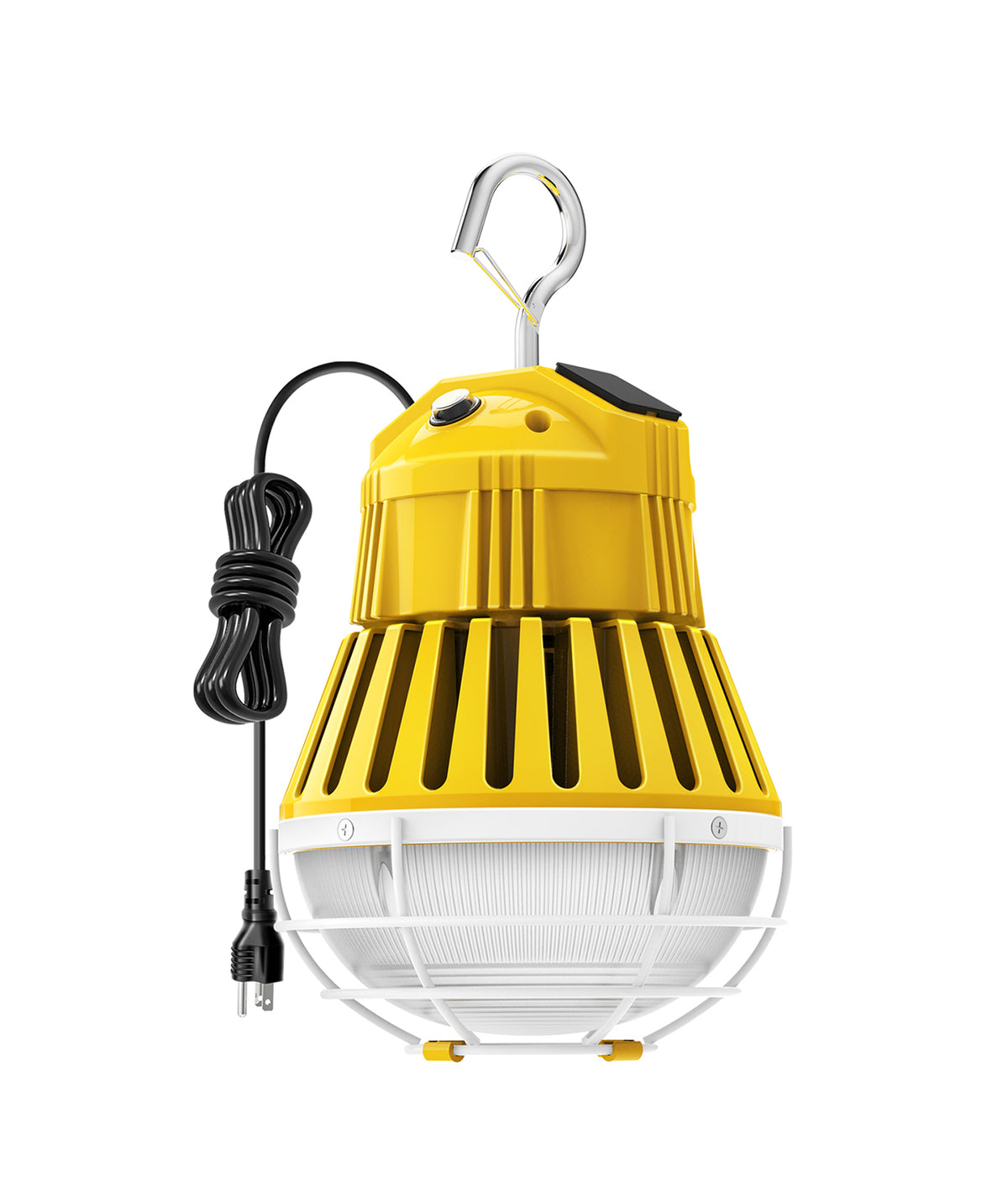
IP XY standard: X=dust resistance, Y=water resistance
- IP44: Indoor garage, light splashes only
- IP54: Construction, occasional rain, dust-proof
- IP65 / IP66: Heavy-duty, full dust tight, withstand heavy rain, car washing, outdoor all weather (recommended for mechanics & builders)
- Avoid IP20 indoor-only lights for wet/dirty jobs.
5. Durability & Heat Dissipation
- Housing material: Aluminum alloy > thick ABS plastic (aluminum dissipates LED heat better, prevents light decay & burnout)
- Shock resistance: Drop-proof rubber frame, reinforced corners (essential for job sites)
- Heat sink: Large integrated aluminum fins = longer LED lifespan (50,000+ hours)
- Skip thin plastic cheap lights without heat sinks—they dim quickly and burn out fast.
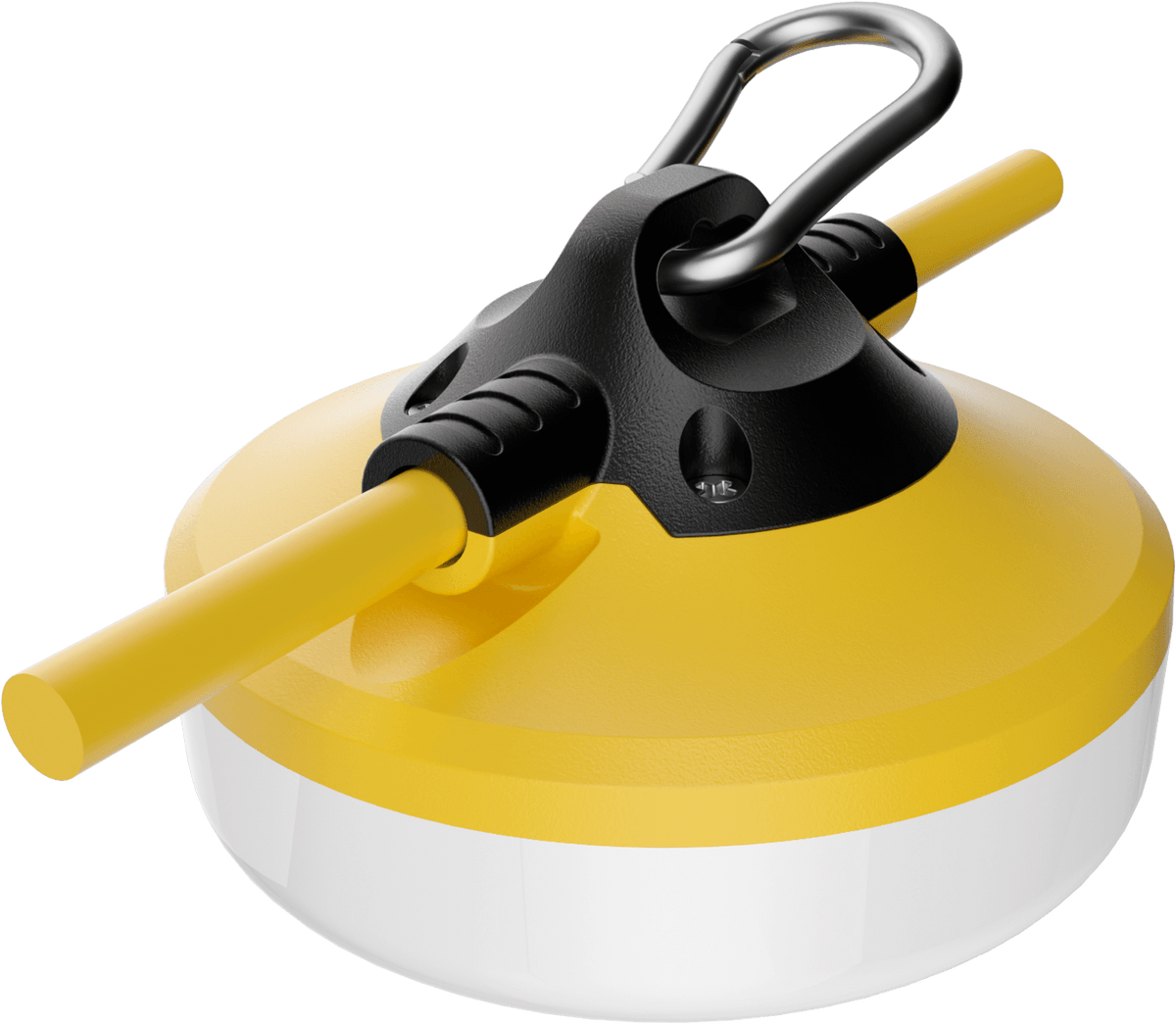
6. Hands-Free Mount Functions (Big convenience)
Pick based on how you work:
- Strong magnetic base: Stick to car frames, metal machinery (top for auto repair)
- Foldable stand / tripod mount: Freestanding on ground/workbench
- Hanging hook: Hang overhead for wide bench lighting
- Rotatable lamp head (180°/360°): Aim light exactly where needed without moving the whole unit
7. Extra Practical Features
- Low battery indicator: Avoid sudden blackouts mid-job
- USB output: Emergency charge phone/tools on site
- Red warning strobe/SOS: Roadside breakdown safety
- UV leak detection LED: For AC refrigerant, oil leak inspection (mechanic exclusive)
- No flicker driver: Prevent eye strain during long shifts
Quick Selection Cheat Sheet for Different Users
- Auto Mechanic: Cordless + IP65 + Ra≥85 + magnetic base + UV leak light, 1000–3000 lm
- Home Garage DIY: Dual-power neutral white 4000K, fold stand, 800–1500 lm
- Construction Worker: High lumen 5000+ lm, IP66, tripod compatible, long battery life
- Small handheld inspection light: 300–800 lm, compact clip/magnet, USB fast charge
Avoid Common Pitfalls
- Don’t only look at wattage—always check real lumen value (many cheap lights fake wattage)
- Never buy unmarked low IP lights for outdoor/wet work
- Skip plastic-only lights without aluminum heat sinks for daily heavy use
- Low CRI lights are useless for any color-sensitive repair work


