

Typical Lumen Output of an LED Wall Pack Light
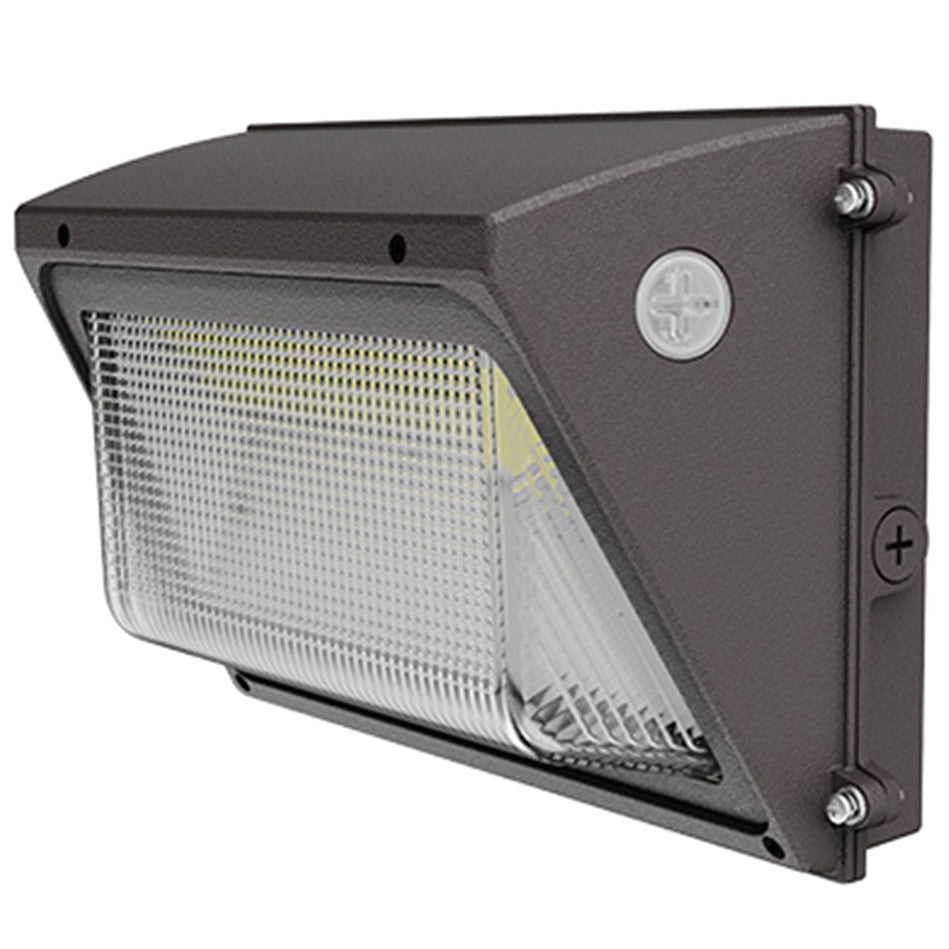
Lumen output depends on size (mini / standard / high-power), wattage, and build quality. Commercial LED wall packs generally range from 1,800 up to 16,000 lumens.
Common Categories & Typical Lumens
-
Mini LED Wall Packs (15–30 W, residential / small entryways)
1,800 – 3,500 lumens
-
Standard Medium Wall Packs (40–60 W, most popular commercial type)
4,500 – 7,500 lumensThis is the most widely used general-purpose range.
-
High-output Wall Packs (70–120 W, loading docks, large building exteriors)
8,000 – 16,000 lumens
Typical Service Life of an LED Wall Pack Light
Manufacturers define LED fixture lifetime using the L70 standard: the operating hours until light output drops to 70% of original brightness (the generally accepted end of useful illumination).
Standard Rated Lifespan
- General commercial-grade LED wall packs: 50,000 hours (L70) — this is the most common published rating on mainstream outdoor wall packs.
- Budget / low-cost models: 25,000–35,000 hours
- Premium high-performance industrial models: 75,000–100,000+ hours (with advanced heat dissipation)
Real-world time conversion (for reference)
- 50,000 hours ≈ 13.7 years if lit 10 hours per day
- 50,000 hours ≈ 22.8 years if lit 6 hours per day
Important note:
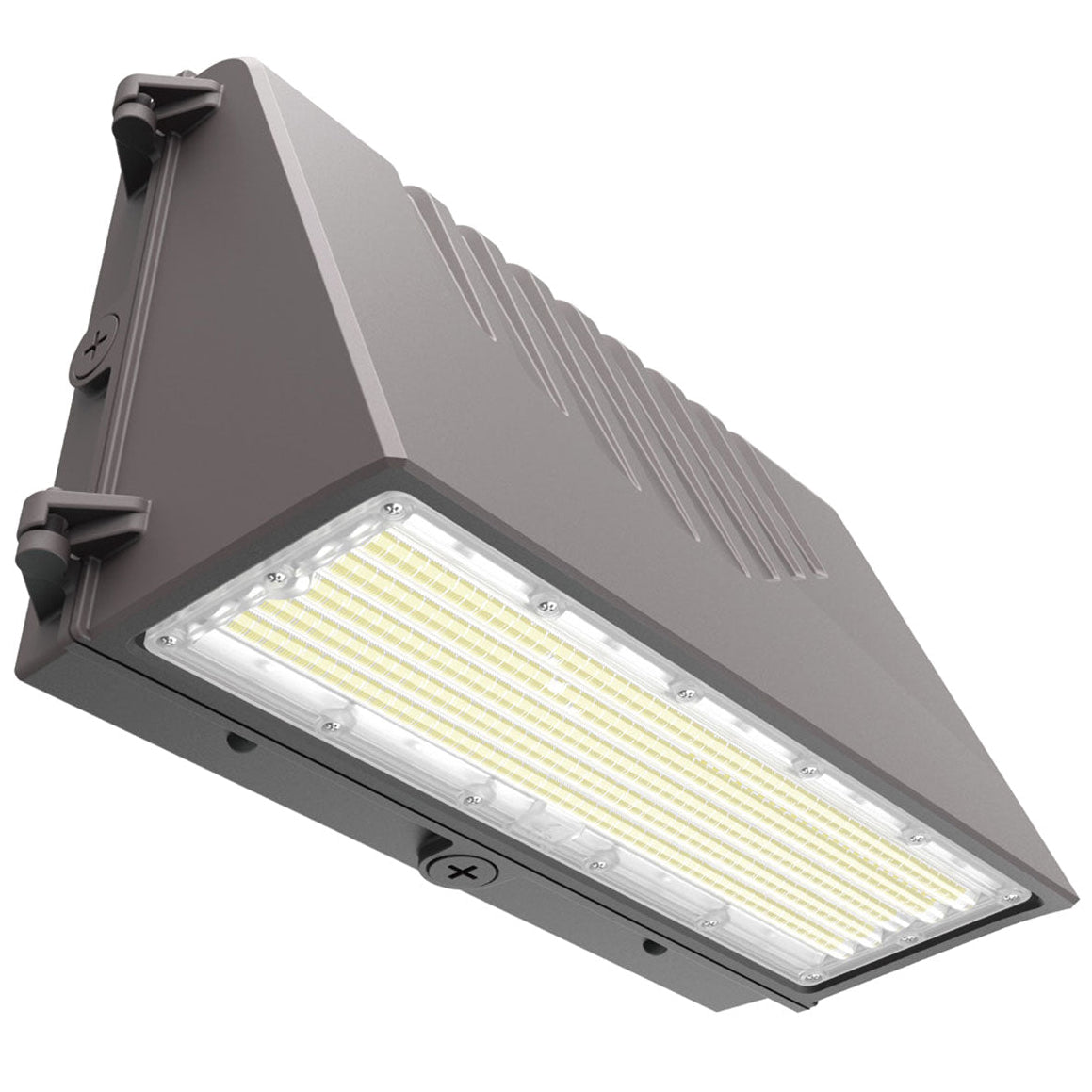
The LED chip itself rarely fails completely. In practice, the LED driver (power supply) is usually the first component to fail in outdoor wall packs. Harsh conditions (high temperature, humidity, voltage surges) shorten the actual service life below the published L70 rating.
Key factors shortening service life
- Poor thermal design / overheating
- Wide voltage fluctuations or lightning surges
- Continuous high-temperature outdoor exposure
- Low-quality driver electronics
- Lack of proper weather sealing (low IP rating)
If you need a concise exam-style short answer:
The typical rated L70 service life of a standard commercial LED wall pack light is 50,000 hours.
Would you like me to turn this into a short paragraph suitable for technical reports or homework?
Quick Wattage-to-Lumen Reference (High-efficiency commercial models)
- 25 W ≈ 3,000 lm
- 40 W ≈ 5,500 lm
- 60 W ≈ 7,500 lm
- 80 W ≈ 11,000 lm
- 100–120 W ≈ 13,000–16,000 lm
Important note:
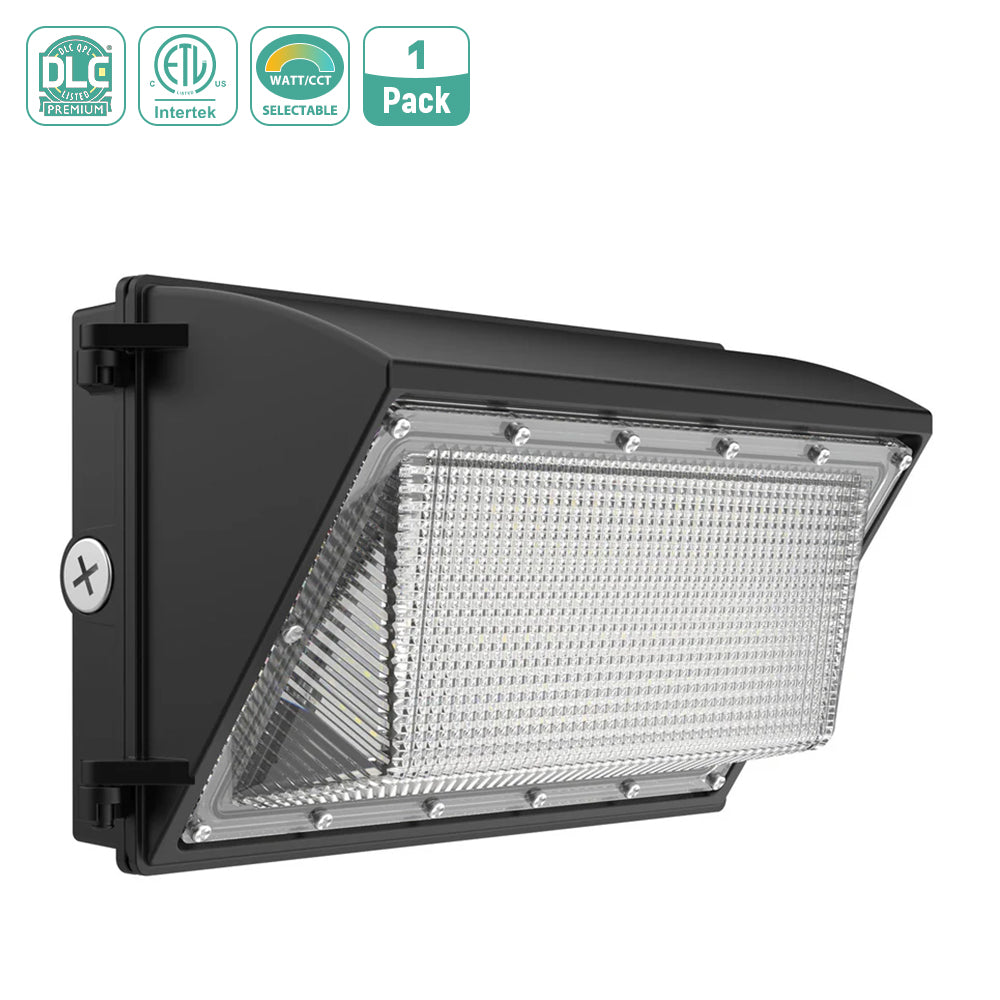
Lumen efficiency varies greatly. Cheap low-grade fixtures produce 20–30% fewer lumens than premium DLC-certified units with ~120–140 lm/W efficacy. Many modern wall packs offer selectable wattage/lumen outputs in one fixture.
Short exam-style summary answer
Standard commercial LED wall pack lights commonly produce 4,500 – 7,500 lumens. Full market typical range: 1,800 – 16,000 lumens depending on wattage.
Combined Technical Summary
A typical commercial LED wall pack light has an L70 rated service life of 50,000 hours, though budget units range from 25,000–35,000 hours and premium industrial versions can reach 75,000–100,000 hours. It is important to note that the LED driver is often the first component to fail under harsh outdoor weather, voltage fluctuations and high temperatures, which may reduce real-world operational lifespan.
In terms of brightness output, LED wall packs vary widely by wattage. Mini residential models deliver 1,800–3,500 lumens, standard 40–60 W commercial units (the most common type) produce 4,500–7,500 lumens, while high-power fixtures for large areas range from 8,000 up to 16,000 lumens. High-quality certified fixtures usually achieve an efficacy of roughly 120–140 lumens per watt, whereas low-cost options provide significantly lower light output. Many modern LED wall packs support adjustable wattage and selectable lumen levels.
If you need a shorter, compact version for assignments:
Standard commercial LED wall pack lights feature a typical L70 service life of 50,000 hours. Their lumen output generally ranges from 1,800 to 16,000 lumens. The widely used medium-power 40–60 W models normally produce between 4,500 and 7,500 lumens. Actual working life can be shortened by poor heat dissipation, extreme outdoor conditions and driver failure.
Factors Affecting Lumen Output of an LED Wall Pack Light
-
Operating Temperature (Thermal Conditions)Excessive heat builds up inside the fixture if heat dissipation is poor. LED chips lose brightness at higher temperatures, causing immediate lumen drop and permanent light depreciation over time. Outdoor sunlight trapping inside the housing worsens this effect.
-
Driver Quality & Input Voltage FluctuationsThe LED driver supplies stable current to LEDs. Unstable mains voltage, surges, or low-quality drivers will alter power delivered to the LED array, directly changing lumen output.
-
Age of the LED (Lumen Depreciation)LED brightness gradually declines throughout service life (defined by L70 rating). As operating hours accumulate, lumen output slowly reduces and will hit 70% of original brightness at the end of rated useful life.
-
Dirt, Dust, Insects and Surface ContaminationOutdoor wall packs accumulate grime on the lens and housing. Dust, dirt, spider webs and oxidation block light transmission, reducing effective usable lumens even if the LED chip itself still outputs light.
-
Ambient Operating EnvironmentHarsh environments including high humidity, coastal salt spray, or chemical fumes can cause lens fogging, corrosion, or seal degradation, blocking light emission.
-
Fixture Design & OpticsLens material quality, reflector shape, light distribution design affect how much generated light escapes the unit. Poor optical design traps light inside the housing and lowers delivered lumens.
-
Dimming Function (if equipped)If the wall pack has a dimming sensor, photocell or motion sensor, reducing power input will intentionally lower lumen output. Improperly calibrated sensors can also cause unintended brightness changes.
-
Product Quality & LED Bin GradeLow-cost LEDs use lower-grade chips with lower initial luminous efficacy. Premium certified fixtures maintain higher and more consistent lumen output under the same wattage.
Short concise version (suitable for homework / exam)
Multiple factors influence lumen output of an LED wall pack: operating temperature and heat dissipation, fluctuations in supply voltage and driver performance, gradual lumen depreciation as LEDs age, dirt accumulation and lens fogging, fixture optical design, dimming or sensor control settings, and the quality grade of the LED chips. Severe outdoor environmental conditions such as salt air and extreme temperatures also accelerate brightness loss.


