

LED Post Top lights enhance landscape appeal while providing functional illumination for pathways, walkways, and outdoor commercial areas. This guide covers bollard light selection, installation considerations, and design applications for commercial properties.
What are LED post top lights?
LED post top lights are outdoor lighting fixtures designed as short, sturdy posts typically ranging from 24″ to 48″ in height. They serve dual purposes in commercial applications: providing area illumination and creating physical boundaries or visual guidance. These fixtures are commonly installed in hospitals, schools, office complexes, and public walkways.
Bollard lights are available in various materials, including stainless steel, aluminum, brass, concrete, and engineered plastics, with finishes designed to withstand outdoor environmental conditions.
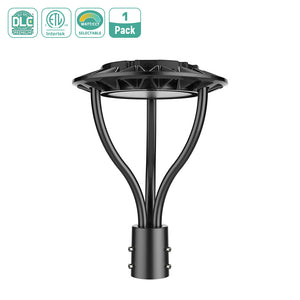
The Benefits of LED Post Top lights in Commercial Landscaping
Property managers and facility owners choose bollard lights for several practical and aesthetic advantages:
Enhanced Safety and Security
LED Post Top lights improve safety by illuminating pedestrian pathways and creating clear visual boundaries within properties. Proper lighting typically reduces slip-and-fall incidents by improving visibility of walking surfaces and potential hazards.
These fixtures can also serve as physical barriers to protect landscaping, building elements, or guide vehicle traffic patterns while providing security lighting for surveillance and access control.
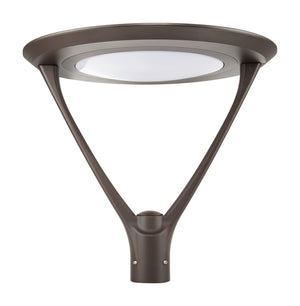
Aesthetic Appeal and Property Value
Strategically placed bollard lights enhance architectural features and landscaping elements. Quality lighting design can improve property curb appeal and create welcoming environments for tenants, customers, and visitors.
LED Post Top lights offer consistent color rendering and long-term appearance retention compared to traditional lighting technologies.
Versatility and Functionality
LED Post Top lightsadapt to multiple applications including pathway marking, landscape accent lighting, parking area illumination, and wayfinding systems. Many models offer directional light distribution options to minimize light pollution while maximizing functional illumination.
How to Choose the Right LED Post Top lights for Your Project
Selecting appropriate LED Post Top lights requires consideration of environmental conditions, performance requirements, and design objectives:
Material Selection and Durability
Choose materials based on environmental exposure and maintenance requirements:
- Stainless Steel: Offers superior corrosion resistance for coastal environments and high-humidity areas. Ideal for facilities requiring low maintenance and long service life.
- Aluminum: Provides good weather resistance at moderate cost. Available in various powder-coated finishes for color matching and enhanced durability.
- Brass: Delivers distinctive appearance with natural patina development over time. Requires more maintenance but offers unique aesthetic appeal.
- Concrete: Provides maximum vandal resistance and integrates well with modern architectural designs. Suitable for high-traffic or security-sensitive areas.
- Engineered Plastics: Cost-effective option for low-traffic areas. Consider UV-stabilized materials for extended outdoor exposure.
Light Output and Color Temperature
LED Post Top lights typically range from 8-30 watts with light output between 800-3000 lumens depending on application requirements.
Color temperature selection affects ambiance and functionality:
- Warm White (2700K-3000K): Creates inviting atmosphere for hospitality and residential-style commercial applications
- Cool White (4000K-5000K): Provides crisp illumination for security applications and modern architectural settings
- Daylight (5000K+): Offers maximum visibility for safety-critical areas and parking facilities
For pathway lighting, space bollards 12-20 feet apart depending on light output and desired illumination levels.
Design and Distribution Options
Consider light distribution patterns based on application needs:
- Directional Bollards: Focus light output to specific areas, reducing light pollution and glare. Suitable for accent lighting and architectural highlighting.
- 360-Degree Distribution: Provides uniform area lighting for general pathway and landscape illumination.
- Smart Controls: Motion sensors, photocells, and dimming capabilities can reduce energy consumption and provide adaptive lighting based on occupancy and ambient conditions.
Design Applications for Commercial Properties
Strategic bollard placement can transform outdoor commercial spaces while meeting functional requirements:
Pathway and Walkway Illumination
Install bollards along pedestrian routes with consistent spacing to provide uniform light levels. Stagger placement on alternating sides for wider walkways to create visual interest while maintaining adequate illumination.
Consider ADA compliance requirements for fixture placement and ensure adequate clearance for accessibility.
Landscape and Architectural Accent Lighting
Use bollards to highlight landscape features, building elements, or outdoor amenities. Low-level fixtures with warm color temperatures can create subtle accent lighting without overwhelming primary architectural lighting.
Position fixtures to minimize glare while maximizing feature visibility from primary viewing angles.
Perimeter Definition and Wayfinding
Bollard lights effectively define parking areas, pedestrian zones, and property boundaries. Consistent fixture selection and spacing creates clear visual guidance for navigation.
In large commercial complexes, varying bollard heights or styles can help differentiate zones while maintaining design consistency.
Creating Visual Hierarchy
Layer bollard lighting with other exterior lighting elements to create depth and visual interest. Combine different mounting heights and light outputs to establish primary and secondary illumination zones.
Installation and Maintenance Considerations
Safety Notice: Electrical installation must be performed by licensed professionals in accordance with local electrical codes. Improper installation can result in injury, property damage, or code violations.
Professional Installation Requirements
Bollard light installation typically requires:
- Electrical permits and inspection compliance
- Proper foundation preparation for stability and drainage
- Underground wiring installation with appropriate burial depth and protection
- GFCI protection for outdoor electrical circuits
Coordinate with utility location services before excavation to avoid damage to existing underground utilities.
Wiring and Electrical Considerations
Use outdoor-rated wiring materials designed for direct burial or conduit installation. Select cables with moisture-resistant jackets and UV protection for above-ground applications.
Low-voltage LED systems can reduce installation complexity and electrical requirements compared to line-voltage fixtures.
Ongoing Maintenance Requirements
Establish regular maintenance schedules to ensure optimal performance:
- Monthly Visual Inspections: Check for physical damage, loose connections, and lens cleanliness
- Semi-Annual Cleaning: Clean lenses and fixtures to maintain light output and appearance
- Annual Electrical Check: Verify connections, test GFCI protection, and assess wiring condition
- LED Maintenance: LED fixtures typically require minimal maintenance but monitor for performance degradation after 5-7 years of operation
Consider protective accessories such as bollard caps or shields in areas prone to weather extremes or physical damage.

Energy Efficiency and Cost Considerations
JCElighting offers significant operational advantages over traditional technologies:
- Energy Savings: LED fixtures typically consume 60-80% less energy than equivalent metal halide or high-pressure sodium bollards
- Maintenance Reduction: LED service life of 50,000+ hours reduces relamping frequency and associated labor costs
- Utility Incentives: Many utility companies offer rebates for LED outdoor lighting upgrades
Calculate the total cost of ownership, including energy, maintenance, and replacement costs, when evaluating fixture options.
Conclusion
JCElighting provides practical and aesthetic solutions for commercial outdoor lighting applications. Success depends on careful selection of materials, light output, and distribution patterns matched to specific site requirements.
Professional installation ensures code compliance and optimal performance, while regular maintenance preserves appearance and functionality. JCElighting offers long-term cost advantages through reduced energy consumption and maintenance requirements.


