

the best materials for outdoor flood lights
Outdoor flood light housings and components must stand up to rain, UV sunlight, temperature swings, humidity and occasional physical knocks. Material choice directly affects service life and weather resistance.
Best housing materials
1. Die‑cast aluminum (Top recommended)
- Pros: High strength, excellent heat dissipation for LED chips, anti‑rust, UV‑resistant. Works well in hot, rainy or coastal salty‑air environments. Sturdy against minor impacts.
- Cons: Slightly heavier; premium models cost more.
- Best for: Hard‑wired security flood lights, long‑term permanent backyard installation.
2. ABS / PC engineering plastic
- Pros: Lightweight, low‑cost, anti‑corrosion, won’t rust. Good resistance to moisture. PC polycarbonate is impact‑resistant for the lens cover.
- Cons: Low‑grade thin plastic will turn brittle, fade and crack after years of strong sun exposure. Cheap plastic degrades fast.
- Best for: Solar flood lights, plug‑in portable units, renters’ temporary lighting. Choose UV‑stabilized plastic versions.
3. Stainless steel
- Pros: Superior rust and salt‑spray resistance, ideal for seaside, coastal backyards. Nice appearance.
- Cons: Expensive; poorer heat dissipation than aluminum; prone to fingerprints. Mostly used for trim parts rather than full main housing.
- Best for: Coastal high‑humidity locations, decorative outdoor flood lamps.
Lens / cover materials
- Polycarbonate (PC) — Most common. Impact‑resistant, shatter‑proof, UV‑treated to avoid yellowing. Far better than glass for outdoor floodlights.
- Tempered glass: Clear light transmission, scratch‑resistant. But can crack under heavy impact; heavier. Seen on higher‑end fixtures.
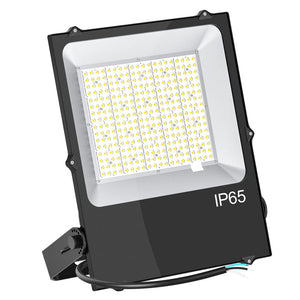
Materials to avoid
- Ordinary thin‑wall cheap plastic: cracks, fades, becomes brittle within 1‑2 years outdoors.
- Uncoated plain iron / steel: rusts rapidly once exposed to rain and moisture.
Quick practical guide by scenario
- General backyard security: die‑cast aluminum housing + polycarbonate lens
- Seaside / salt air: stainless steel trims + aluminum main body
- Budget solar temporary lights: UV‑stabilized ABS plastic + PC lens
How to Choose the Best Backyard Flood Lights
Backyard flood‑lights improve nighttime safety, security and ambiance for patios, lawns, driveways and garden areas. Below are key factors to help you pick the right ones.
1. Brightness (Lumens, Not Watts)
Lumens measure actual light output; watts only show power consumption.
- Soft ambient lighting: 700‑1300 lumens for small patios and decorative use
- General backyard security: 1300‑2500 lumens for yards, side paths
- Large areas / high‑security zones: 2500‑4000+ lumens for big lawns, long driveways
Note: Too‑bright flood lights cause light pollution and glare; avoid over‑powered units for residential backyards.
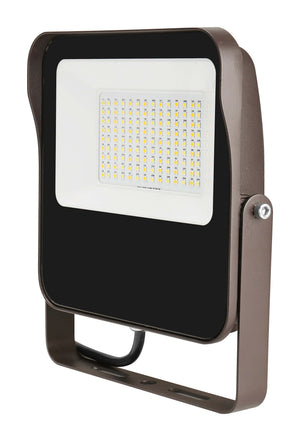
2. Light Source: LED Is Preferred
- LED: Energy‑saving, long lifespan, low heat output. Most modern backyard flood lights are LED. Low running cost, instant on.
- Halogen: Brilliant but high power draw, get hot, short life. Not recommended for regular home use.
3. Color Temperature
It decides whether light feels warm or cold.
- 2700K‑3000K (Warm white): Yellowish gentle glow. Best for relaxing backyard, garden parties, outdoor living spaces.
- 4000K‑5000K (Neutral / cool white): Bright clear white. Ideal for security, visibility for walkways.
- Above 5000K: Harsh blue‑tinged light; usually too stark for residential backyards.
4. Beam Angle
- Wide beam (120° or above): Covers broad lawn and patio areas. Good for general yard illumination.
- Narrow beam (25°‑60°): Focused light for highlighting trees, walls or specific spots.
5. Power Supply Options
- Hard‑wired: Permanent installation, stable brightness. Need electrician work. Suitable for fixed security lighting.
- Plug‑in: Simple DIY setup; limited by cord length.
- Solar‑powered: No wiring or electricity bills. Best if the backyard gets plenty of direct sunlight. Performance drops on cloudy short‑day periods. Great for renters.

6. Motion Sensor vs Dusk‑to‑Dawn vs Manual
- Motion‑sensor: Turns on when movement is detected. Deters intruders, saves energy. Adjustable sensitivity and on‑time length. Top pick for security‑focused yards.
- Dusk‑to‑dawn: Automatically turns on at sunset and off at sunrise. For all‑night background lighting.
- Manual / smart control: Controlled by wall switch, app or voice assistants. Flexible for parties and custom lighting scenes.
7. Weather‑Resistance Rating (IP Rating)
Outdoor flood lights must resist rain, moisture and dust.
Look for at least IP65.
- IP65: Dust‑tight, resistant against water jets, fits most backyard conditions.
- Avoid products below IP44; they cannot stand heavy rain.
8. Additional Practical Tips
- Think about installation height and position. Mount higher for wider coverage; angle lights downwards to reduce glare toward neighbours’ windows.
- Consider anti‑glare shields if you have nearby houses. Prevent light spill to avoid complaints.
- Check heat dissipation and build quality; metal housings usually hold up better outdoors than cheap plastic.
Quick buying checklist
Appropriate lumens for your yard size
LED light source
Suitable color temperature
IP65 or higher waterproof rating
Choose power type: hard‑wired / plug‑in / solar
Sensor type match your need: motion / dusk‑to‑dawn / smart


